Brow Shaping Basics for a Balanced Face
Master brow mapping, shaping, and styling to flatter any face. Learn tools, techniques, and pro tips for arches that balance your features.
Start With Your Natural Map
Understanding your brows begins with a brow map that honors your unique features. Align the start of each brow with the bridge of the nose, find a soft arch above the outer edge of the iris, and let the tail taper toward the outer corner of the eye. These guideposts create balance, but treat them as flexible, not rigid. Consider your face shape: softer, fuller brows flatter round faces; gentle arches lengthen shorter proportions; defined tails stabilize heart or diamond shapes. Step back from the mirror often, checking symmetry without forcing identical twins; aim for sisters, not clones. Let your natural growth pattern inform thickness, matching brow weight to your boldest facial feature—eyes, lips, or hair texture—for harmony. Use a clean spoolie and a slim pencil to sketch boundaries lightly before any removal. This pre-visualization supports precision and reduces over-tweezing, setting a confident foundation for all beauty routines.
Prep and Tools for Skin-Safe Shaping
Thoughtful preparation elevates results and protects delicate skin. Begin with clean skin and brows free of makeup or oils to ensure grip and visibility. Soften the area with a warm compress, then pat dry. Good lighting and a standard mirror prevent overzealous plucking; a magnifying mirror is helpful in quick glances but can encourage over-detailing. Gather essentials: a spoolie, slanted tweezers for accuracy, fine brow scissors for tip-trimming, a white pencil to mark boundaries, cotton pads, and a calming gel with soothing ingredients like aloe. Sanitize tools to prioritize hygiene and reduce irritation. Brush brows upward to reveal true length, outlining the top and bottom edges you plan to keep. Lightly stretch the skin to support the follicle and minimize discomfort while removing hairs. Work in natural daylight when possible and take breaks to reassess proportion. Smart prep sets the tone for control, comfort, and consistently polished results.
Gentle Techniques That Respect Brow Growth
Technique matters as much as taste. Start by trimming: brush hairs upward, then snip only the very tips that exceed your outline to preserve fullness. For tweezing, pull each hair in the direction of growth, one at a time, starting beneath the arch where stray hairs collect. Keep the top line mostly intact to protect your natural contour; tiny adjustments above the arch can refine without flattening expression. Maintain a soft peak rather than a sharp triangle, and avoid letting the tail dip too low, which can pull features downward. Remove a few hairs, then step back; frequent check-ins prevent over-thinning. If you wax or thread, limit removal to obvious strays and leave detailed sculpting to tweezers for precision. Calm skin afterward with a cool compress to reduce redness. Throughout, prioritize conservatism: it is far easier to take a bit more later than to rush and regret lost density that takes time to recover.
Fill, Define, and Set for Lasting Balance
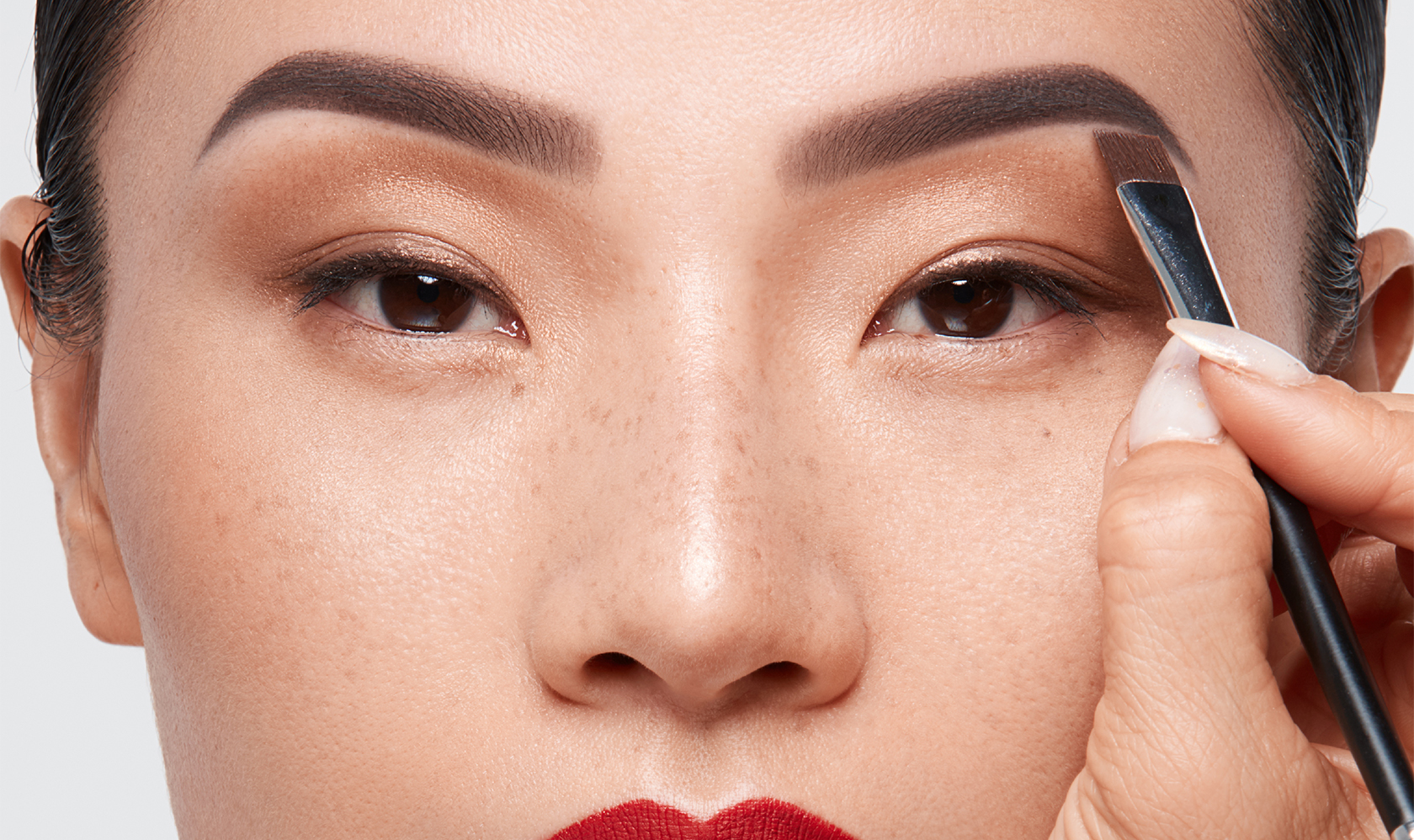
Makeup brings shape to life by adding dimension where hair is sparse. Choose a shade that mirrors your brow hair or sits one notch lighter for depth without heaviness, paying attention to undertone—ash for cool, golden for warm, and neutral for balance. Use a fine-tip pencil or pen to sketch hairlike strokes at the front and through gaps, following growth direction for believability. A powder softly blurs edges, while a light pomade builds structure along the tail. Blend with a spoolie to diffuse harsh lines and create a subtle gradient—softer at the front, stronger through the arch and tail. A clear or tinted brow gel sets texture and can coax curly hairs into alignment without stiffness. Add a whisper of matte highlight just beneath the brow bone to lift without sparkle. The goal is harmony: enhance what exists, avoid blocky fronts, and let texture show for a lifted, natural finish.
Maintenance, Growth, and Common Fixes
Consistency preserves shape and supports healthy brows. Perform small cleanups only after sketching your map, removing obvious outliers while protecting your outline. If you have over-tweezed, pause removal and focus on regrowth: be patient, minimize friction from frequent rubbing, and condition the area lightly with a non-comedogenic oil to support skin comfort. Fill strategically rather than chasing exact symmetry; align key points—start, arch, tail—so brows read as balanced in motion. For coarse or wavy hairs, trim conservatively and rely on flexible hold gels to guide direction. Sensitive skin benefits from patch-testing waxes or dyes and choosing soothing, fragrance-light formulas. Exfoliate gently around brows, not over them, to keep follicles clear. If you wear glasses, let frames inform proportion: slightly fuller brows balance bold rims, while softer frames pair well with feathered texture. Over time, maintain a light touch, revisit your mapping, and let natural density lead your beauty decisions.