Container Gardening 101: Grow More in Pots and Planters
Short on space? Learn how to grow vibrant herbs, veggies, and flowers in pots and planters with smart containers, soil, watering, and light tips.
Choosing the Right Containers
Pick containers that match your plants' needs and your space. Terracotta breathes and reduces overwatering risk, while glazed ceramic and plastic hold moisture longer; fabric grow bags boost aeration and root pruning. Prioritize excellent drainage: pots must have holes, and using pot feet or a riser prevents waterlogging. Size matters—deep-rooted tomatoes, peppers, and shrubs need depth, while herbs and lettuces thrive in shallower pots. Consider weight and mobility; place heavier planters on dollies or casters to chase sunlight or shelter from harsh winds. Light-colored containers reflect heat, reducing root stress, while dark finishes warm soil in cooler spots. If you're repurposing, ensure the container is food-safe and drill extra holes as needed. Clean used pots with a mild vinegar solution to discourage disease. Group containers to create protective microclimates that stabilize temperatures and humidity. Add saucers to capture runoff, but empty them so roots aren't sitting in water. Thoughtful container choices lay the foundation for healthier plants, better yields, and a low-maintenance routine.
Potting Mix and Soil Health
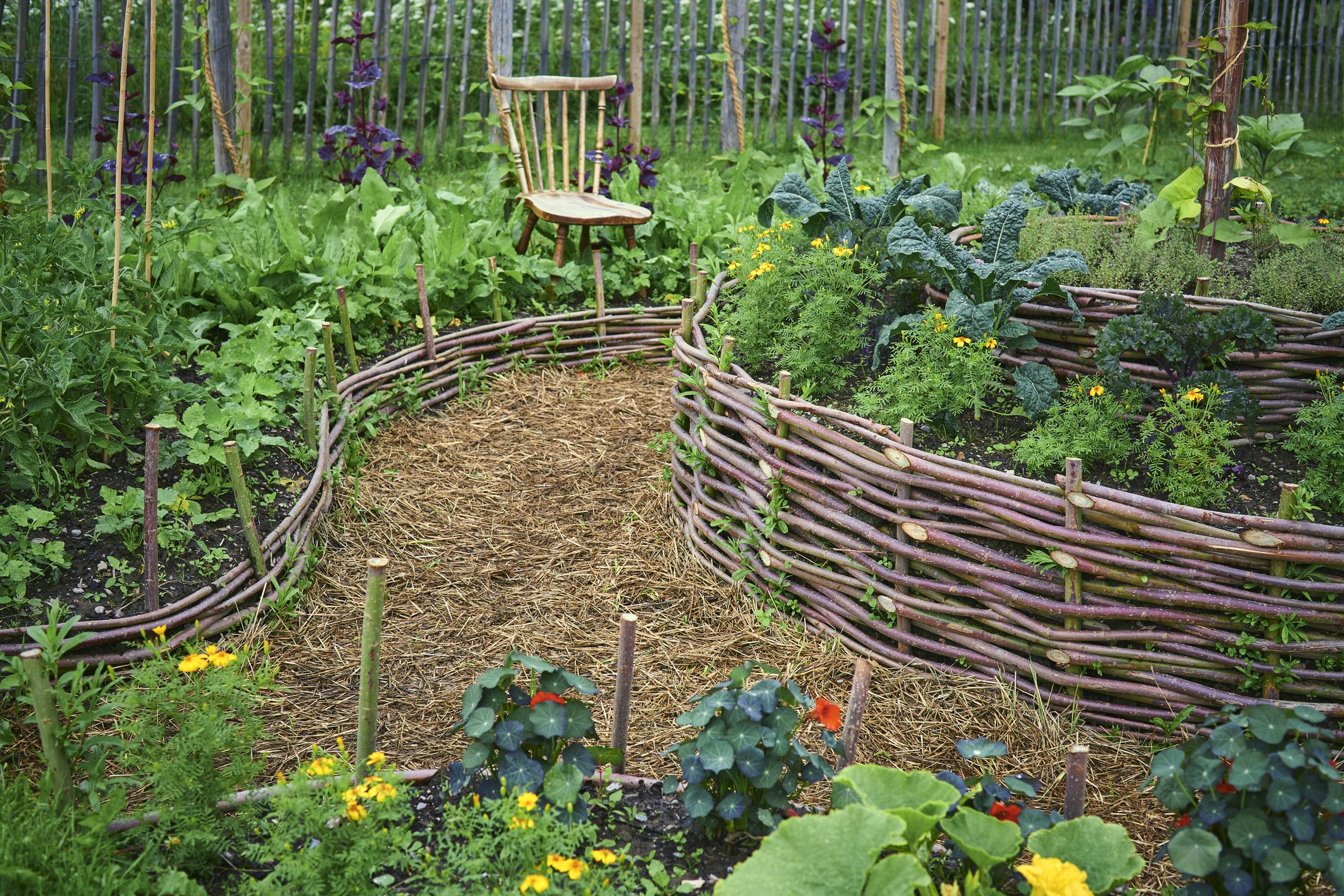
Use a high-quality potting mix, not garden soil, which compacts and suffocates roots in containers. A premium blend balances moisture retention and drainage, typically combining peat or coco coir with compost, perlite or pumice, and fine bark. This structure fuels vigorous roots and steady growth. Boost fertility with slow-release fertilizer, worm castings, and occasional liquid feeds, and consider a gentle top-dress of compost midseason to refresh nutrients. Aim for airy texture—never pack mix tightly—and leave space at the rim for watering. Layer a thin mulch of shredded bark, straw, or pebbles to cool roots, reduce evaporation, and prevent soil splash. If reusing mix, remove old roots, blend in fresh components, and recharge with organic amendments. Sterilize containers before replanting to curb lingering pests or diseases. Keep an eye on pH-sensitive crops, adjusting with composted materials rather than harsh quick fixes. Healthy container soil is alive—encourage microbial life with consistent moisture, organic matter, and minimal disturbance, and your plants will repay you with resilience and productivity.
Smart Plant Selection and Layout
Match plant choices to your light, climate, and time commitment. Sun-loving edibles like tomatoes, peppers, eggplants, and many herbs prefer abundant sunlight, while leafy greens, mint, and some flowers tolerate partial shade. Select compact or dwarf varieties labeled for containers to save space and reduce staking needs. Combine plants with similar water and feeding requirements so one doesn't suffer for another's thirst. Use the thriller–filler–spiller formula: a bold centerpiece (thriller), mounding plants to fill gaps (filler), and trailing selections that soften edges (spiller). For edible beauty, pair a dwarf tomato with basil and trailing nasturtium; for pollinator appeal, mix salvia, calendula, and sweet alyssum. Respect spacing to preserve airflow and prevent disease—overcrowding invites stress and pests. Practice succession planting: follow quick crops like radishes or baby greens with longer-season producers to keep containers active. Balance form, flavor, fragrance, and function, and you'll craft plant communities that are as productive as they are beautiful.
Watering, Feeding, and Care
Container plants rely on you for consistent moisture and nutrition. Check soil with your finger; water when the top inch feels dry, soaking until you see runoff, which ensures thorough root hydration. Morning watering reduces evaporation and disease pressure. Consider self-watering planters, drip spikes, or a simple wick system for steadier moisture. Feed at regular intervals: combine a slow-release fertilizer in the mix with light, periodic liquid feeds adjusted to each crop's appetite. Prune, pinch, and deadhead to redirect energy into fresh growth and blooms; stake or trellis climbers to maximize airflow and keep foliage off damp surfaces. Rotate containers for even light, and wipe leaves free of dust to improve photosynthesis. Practice integrated pest management: scout often, remove pests by hand, use gentle soapy water sprays when needed, and encourage beneficial insects with diverse plantings. Sanitize tools, avoid splashing soil onto leaves, and water at the base to limit foliar diseases. Small, steady habits prevent problems before they start and keep containers thriving.
Design, Space, and Productivity Hacks
Turn limited areas into abundant gardens with smart design. Embrace vertical gardening using trellises, obelisks, netting, wall planters, and hanging baskets to lift crops off the floor and free up square footage. Group containers by water needs to streamline care, and place thirstier pots near a hose or rain barrel. Leverage microclimates: warm, reflective walls speed ripening; breezy corners suit herbs; shaded nooks nurture lettuce. Interplant quick growers like arugula with slower crops such as peppers, harvesting the fast ones as the others fill in. Harvest frequently to trigger continued production in beans, cucumbers, and cut-and-come-again greens. Refresh tired planters with a top-dress of compost and a new layer of mulch to extend performance. Use lightweight mixes in large planters for easier mobility, and mount casters under hefty pots. For style, repeat colors and textures across containers to unify the space. Keep notes on varieties, feeding, and yields—your observations will fine-tune a container garden that's beautiful, efficient, and remarkably productive.