Fragrance Layering: Create a Signature Scent
Master fragrance layering to create a long-lasting, signature scent. Blend notes wisely, balance strength, and adapt to seasons for unforgettable wear.
Layering Basics — Fragrance layering is the art of combining multiple scents to craft a signature scent that feels personal and memorable. Instead of relying on a single bottle, you build a harmonious blend that plays to your skin chemistry, your mood, and the setting. Start by understanding the fragrance pyramid: lively top notes (like citrus or herbs) appear first, yielding to heart notes (often florals, spices, or fruits), and settling into enduring base notes (woods, musk, amber). Layering lets you tilt this pyramid to emphasize what you love most, whether that is a sparkling opening or a velvety dry-down. Keep it intentional: two to three layers are usually more than enough to create an elegant accord without chaos. Test combinations on skin rather than paper, and give each layer time to bloom. Approach it like a beauty ritual, where curiosity, patience, and restraint deliver a result that feels both polished and uniquely you.
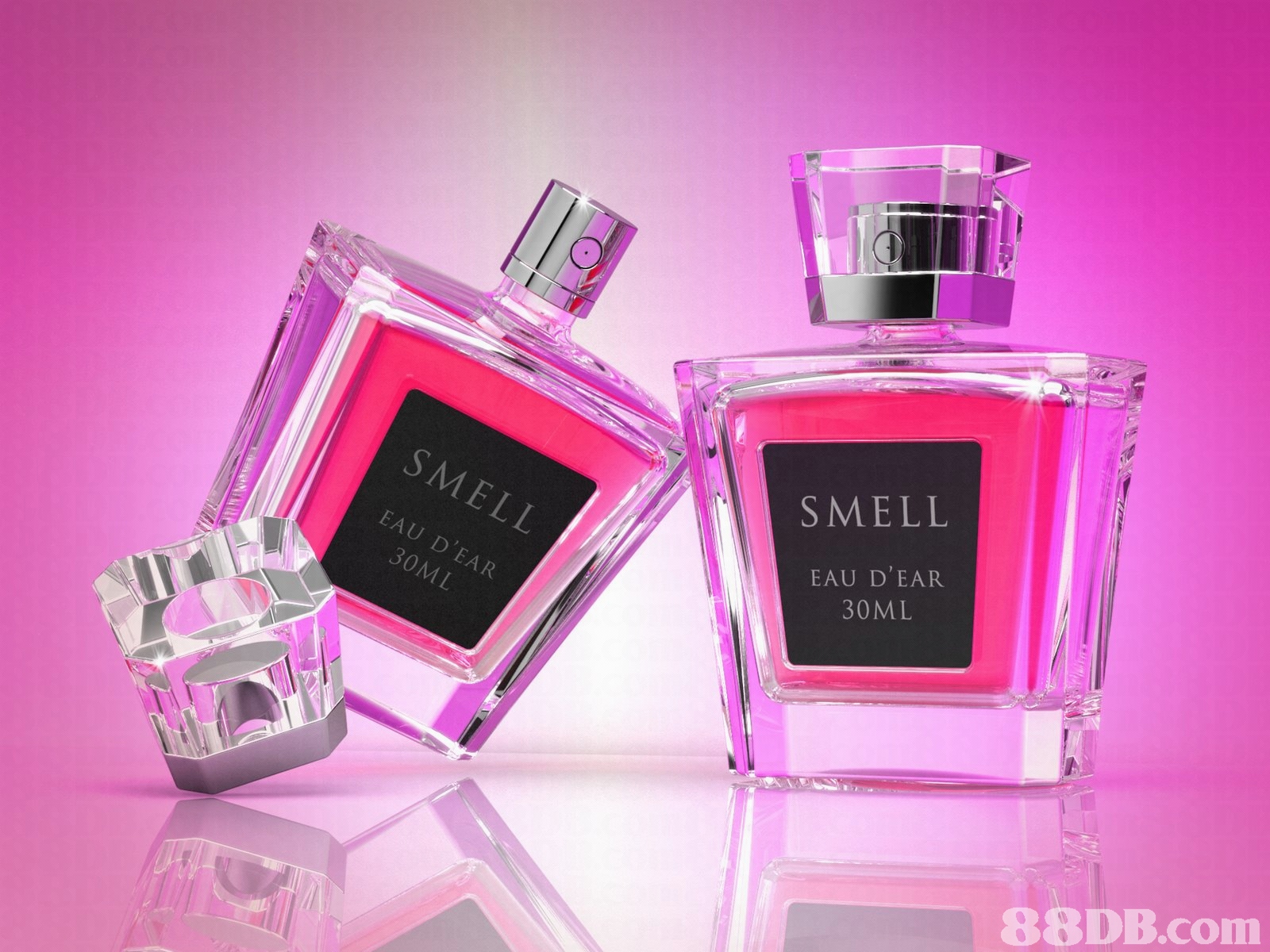
Build a Lasting Base — Great layering begins with the canvas. Hydrate skin with an unscented moisturizer to lock in moisture and help perfume cling, then consider a lightweight body oil to provide slip and subtle glow. If you enjoy scented body products, choose a gentle profile that complements your main perfume, such as vanilla, almond, musk, or sandalwood, which function as soft fixatives. Concentration matters, too: an EDT can sparkle as an accent, while an EDP or extrait anchors the blend with richer longevity. Apply heavier, longer-lasting elements close to skin first, then finish with brighter or fresher accents. A dab of neutral balm on pulse points can lengthen the dry-down without altering the fragrance profile. Be mindful of competing textures; oils and creams are allies, but strongly fragranced washes may clash. With a smooth, conditioned base in place, your layers will diffuse more evenly, last longer, and feel beautifully integrated from first spritz to final whisper.
Find Harmonious Families — Thoughtful pairing is the heart of layering. Explore fragrance families and how they interact: citrus energizes woody notes; floral blends glow over musk; gourmand warmth softens amber and spice; green tones freshen dense oriental-leaning blends; aquatic or ozonic facets add air to vetiver or incense. Use contrast sparingly to create intrigue, and complement to maintain coherence. For instance, a breezy bergamot or neroli cologne can brighten creamy sandalwood, while a sheer rose can add lift to vanilla without turning saccharine. Aim for shared threads: a common note like cardamom, iris, or cedar can knit disparate perfumes together into a smooth accord. If a pairing smells sharp or muddy, adjust ratios or switch one element for a cleaner counterpart. Test by placing one spritz on one wrist, the other on the opposite, and gently walk your wrists together in the air to judge how their trails might blend without committing to a full wear.
Order and Technique — Application sequence shapes the experience. Think in layers of weight and projection: start with skin prep, follow with your most tenacious, skin-hugging scent, then finish with airy accents that add sparkle or lift. Avoid rubbing wrists together, which can bruise top notes; instead, let each layer settle. Use pulse points strategically—sides of the neck, under the ears, the crooks of elbows, and behind knees for a soft upward sillage. For a more diffused aura, try the fragrance cloud: mist the air and walk through, then add focused spritzes where you want presence. Consider fabric lightly, from a distance, but beware of stains and test first. A single mist on a hairbrush can create delicate, moving diffusion; avoid heavy alcohol on hair by using a purposeful hair-friendly spritz. Leave a minute between layers, assess, and add a final half-spritz only if needed. Precision beats volume; your goal is radiance, not overwhelm.
Adapt for Context — Your signature should flex with climate, setting, and mood while staying recognizably you. In warmer conditions, choose fresh, citrus, green, or watery accents to keep the blend airy and prevent bloom from turning cloying. Cooler temperatures reward woods, resins, amber, and spice, which benefit from slower evaporation and feel cocooning. For professional or close-quarter environments, reduce sillage: keep heavier elements close to skin and reserve bright toppers for one discreet spritz. For evening or open-air events, lean into richer bases and add a luminous floral or gourmand veil for presence. Create a daytime version and an evening enhancer built from the same core, so your identity remains intact. Carry a small atomizer for a single, strategic refresh rather than stacking repeatedly. Placement fine-tunes impact: chest for intimacy, neck for aura, wrists for gestures. Let context guide choices, but keep your central thread consistent so your signature stays unmistakable.
Refine Your Signature — Crafting a personal blend is an evolving beauty ritual. Keep a simple scent journal noting combinations, number of sprays, placements, weather, and reactions after one, three, and six hours. Evaluate the dry-down carefully; a combo that dazzles upfront may drift off-course later. Limit layers to two or three to avoid muddiness, and adjust ratios rather than constantly changing perfumes. Explore with blotters first, then confirm on skin, where warmth and pH shape results. Maintain good storage—cool, dark places—to protect integrity. Practice etiquette by considering proximity and sensitivity of others, especially in enclosed spaces. If something feels nearly right, tweak with a whisper of musk or a soft citrus mist instead of adding another heavy note. Over time, curate a scent wardrobe of reliable anchors, brighteners, and comfort layers that play well together. The goal is recognition: when your trail lingers, it should feel like a memory of you—distinct, elegant, and effortlessly cohesive.