Gut Health Basics: Supporting Your Microbiome
Learn the essentials of gut health: what the microbiome is, and how diet, sleep, stress, exercise, and smart supplements support digestion and immunity.
Microbiome 101
Your microbiome is a vibrant community of bacteria, yeasts, and other microbes living mainly in your gut, shaping digestion, immunity, and even mood through the gut–brain axis. These tiny partners help break down complex foods, make certain vitamins, and produce short-chain fatty acids that nourish the intestinal lining. A diverse ecosystem tends to be more resilient, while an imbalanced state, often called dysbiosis, may relate to bloating, irregularity, or low energy. Everyone's microbial mix is unique, influenced by diet, environment, stress, sleep, and medications. The encouraging news is that your microbiome responds to everyday choices, often adapting within days or weeks when you change inputs. Think of your gut as a garden: it thrives on variety, steady care, and minimal disturbance. By focusing on fiber-rich foods, consistent habits, and stress reduction, you build the conditions for beneficial microbes to flourish. Over time, supporting your microbiome can contribute to steadier digestion, better immune readiness, and more balanced overall well-being.
Nourishing With Fiber-Rich Foods
Food is the fastest, most accessible way to nurture your gut. Aim for a colorful spread of plants to provide dietary fiber, prebiotics, and polyphenols. Soluble fiber forms a gel that feeds microbes and supports healthy cholesterol, while insoluble fiber adds bulk for regularity. Prebiotic fibers such as inulin and fructooligosaccharides, found in onions, garlic, leeks, asparagus, and ripe bananas, selectively fuel beneficial species. Embrace resistant starch from cooked-and-cooled potatoes or rice, green bananas, and legumes; your microbes ferment it into short-chain fatty acids. Whole grains, oats, barley, beans, lentils, nuts, and seeds expand diversity, while berries, leafy greens, and colorful vegetables deliver polyphenols that microbes transform into helpful metabolites. Increase fiber gradually and drink enough water to minimize gas and discomfort. Practical ideas include adding an extra vegetable side at meals, choosing whole grains over refined options, tossing seeds on salads, and building snacks around fruit and nuts. Small, steady upgrades compound in your microbiome's favor.
Fermented Foods and Probiotics
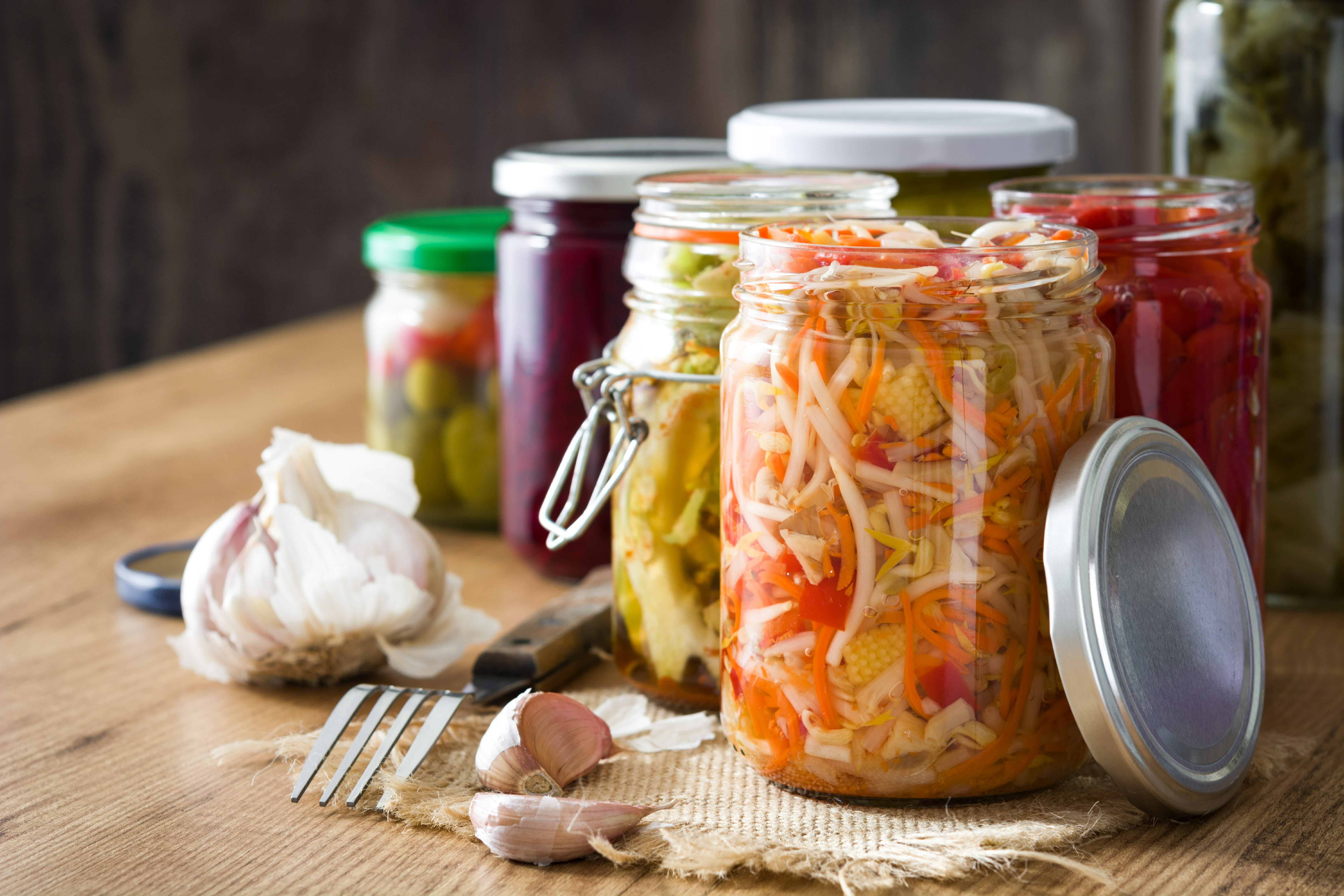
Fermented foods introduce living cultures and flavorful acids that may support microbial balance. Options include yogurt with live cultures, kefir, sauerkraut, kimchi, miso, tempeh, and certain brined vegetables. These foods provide probiotics that can complement resident microbes, while their fermentation byproducts may assist digestion. Start with small portions and notice how your body responds, especially if you are new to tangy or fiber-rich choices. For added synergy, pair probiotics with prebiotics to create a synbiotic effect; for example, enjoy yogurt with oats and berries, or tempeh with garlic, onions, and leafy greens. Quality matters, so choose products that are refrigerated and not heat-treated after fermentation, and store them properly. Capsules can be helpful for specific needs, but strains and doses vary; food-first approaches are often a friendly beginning. Rotating different fermented foods over time introduces variety, encourages microbial diversity, and can make meals more satisfying, all while aligning with simple, everyday cooking patterns.
Lifestyle Habits That Support the Gut
Your microbiome benefits from more than food. Consistent sleep supports circadian rhythms that coordinate digestion, appetite, and microbial activity. Aim for a regular schedule and a calming wind-down routine to foster deeper rest. Manage stress, which can alter gut motility and increase intestinal permeability. Tools like diaphragmatic breathing, meditation, journaling, and time in nature help activate the body's relaxation response. Gentle, regular movement—walking, strength training, yoga, or cycling—has been associated with greater microbial diversity and improved metabolic markers. Mindful eating also matters: slow down, chew thoroughly, and minimize distractions to support optimal enzyme and acid activity. Hydration keeps everything moving and supports mucosal integrity. Consider spacing your last meal to allow digestion before sleep, and give yourself time to eat without rushing. These attainable routines, practiced consistently, create a stable environment inside the gut, giving beneficial microbes a predictable habitat and reinforcing the positive effects of nutrient-dense, fiber-rich meals.
What To Limit and Why Balance Matters
A resilient microbiome thrives when irritants are minimized. Excess ultra-processed foods, refined carbohydrates, and added sugars can favor opportunistic species and crowd out diversity. For some, artificial sweeteners and certain emulsifiers may disrupt the mucus layer or alter composition. Frequent heavy drinking can inflame and irritate the gut lining. Overuse of medications like antibiotics should be avoided unless medically necessary, as they can reduce beneficial populations; always follow professional guidance when they are prescribed. Rather than strict rules, focus on balance. Crowd your plate with plants so there is less room for nutrient-poor items. Choose minimally processed options, cook with whole ingredients, and flavor generously with herbs and spices. Pair treats with fiber and protein to temper swings in blood sugar. Swap sugary beverages for sparkling water with citrus, and lean on olive oil, nuts, and seeds for satisfying fats. Flexibility reduces stress, supports adherence, and ultimately keeps your microbiome on an even keel.
Personalizing and Sustaining Your Routine
Gut care is personal and evolves. Track patterns with a simple food–mood–digestive log: note what you ate, how you felt, and any symptoms such as bloating or irregularity. This reflection helps identify triggers, like large portions, rapid eating, or specific fermentable carbs. Introduce changes gradually—one new habit or food at a time—so you can observe effects clearly. Build routines you can repeat: prep beans and whole grains, keep frozen vegetables and berries on hand, and assemble snack kits with nuts and fruit. When traveling, prioritize hydration, fiber where available, and a consistent sleep schedule. If persistent discomfort, restrictive patterns, or complex conditions arise, consult a qualified professional for tailored guidance. Celebrate small wins, such as an extra vegetable serving or an enjoyable walk after meals. Over weeks and months, the combination of diverse plants, thoughtful fermented foods, steady sleep, movement, and stress care becomes second nature, creating a durable foundation for long-term gut health.