Herb Garden at Home: From Windowsill to Table
Turn a sunny windowsill into a year-round herb garden and bring fresh, bright flavor from pot to plate with simple, low-maintenance steps.
Windowsill Foundations
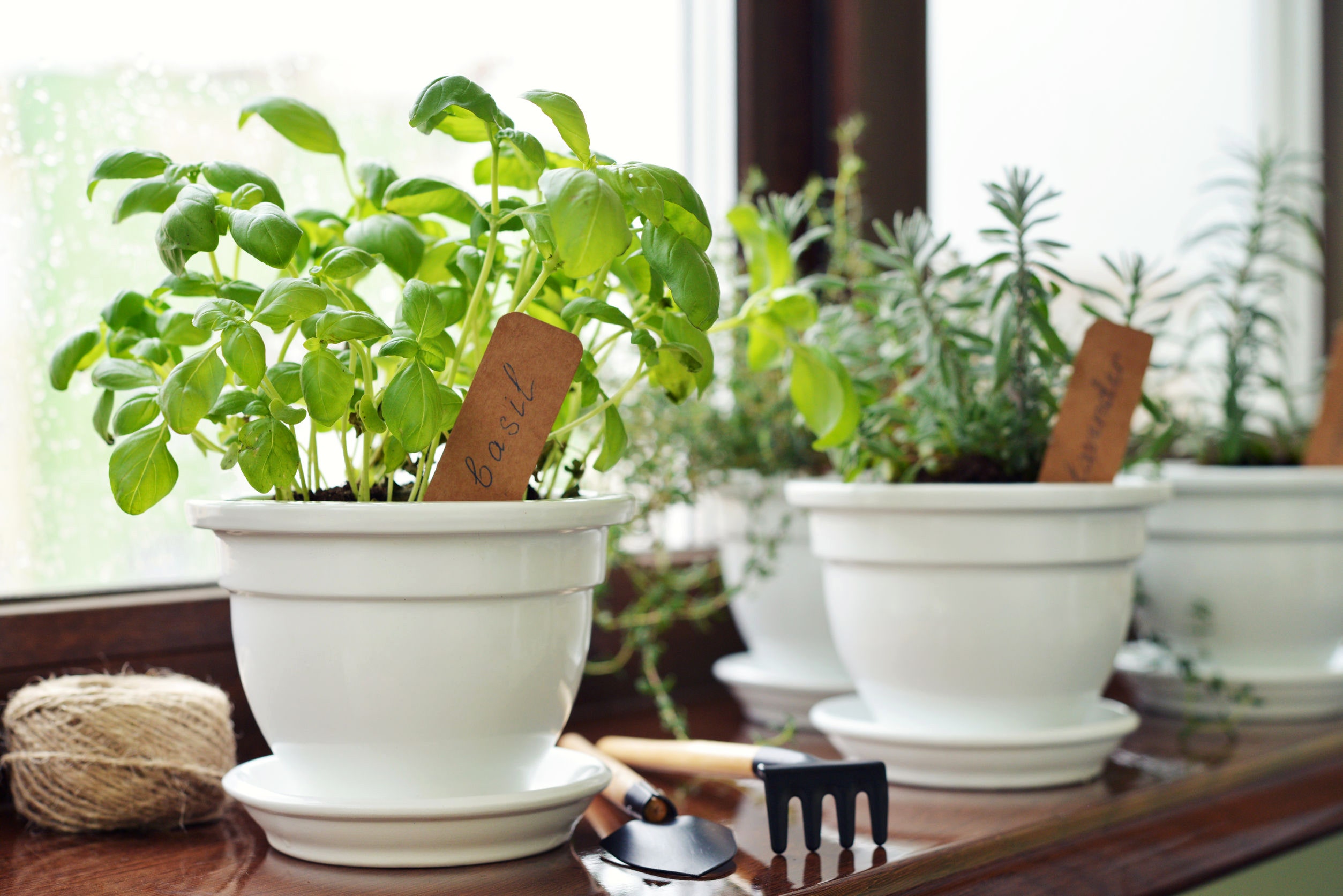
Starting an herb garden at home begins with understanding the small ecosystem on your windowsill. Prioritize sunlight, air circulation, and drainage. A bright window that receives consistent light is ideal, especially for heat lovers like basil, oregano, and thyme. If your space is shadier, parsley, chives, and mint tolerate lower light better. Choose compact varieties to keep growth manageable and attractive. Keep plants slightly spaced for healthy airflow, which reduces fungal issues and keeps leaves dry after watering. Use saucers to catch excess water, but empty them so roots never sit in soggy conditions. Set a simple routine: check soil with your finger and rotate pots weekly so growth stays even. Think about the microclimate near glass; winter drafts or hot summer panes can stress tender plants, so a small buffer of space helps. By focusing on consistency, light, and breathable containers, your windowsill becomes a reliable launchpad for fresh, kitchen-ready flavor every day.
Choosing Herbs
Pick herbs that match your cooking style and your home's growing conditions. For bold Mediterranean flavors, choose rosemary, thyme, and oregano; for fresh, green notes, try basil, parsley, and chives; for cooling brightness, grow mint and cilantro. Start with a few favorites rather than crowding many into one pot, since overcrowding weakens plants and invites pests. Consider growth speed and habit: woody herbs are slower but long-lived, while leafy annuals yield quickly and invite frequent harvests. Buy small starter plants for instant gratification, or sow seeds to save money and enjoy staggered germination for succession harvesting. If your light is limited, emphasize shade-tolerant choices and lighter feeding. Fragrant herbs can double as natural pest deterrents, while flowering chives or thyme attract beneficial insects on balconies or patios. Match your picks to how you cook: soft herbs excel as a finishing touch, while sturdy, resinous types thrive in longer simmering. Aligning flavor profile, hardiness, and care needs sets you up for effortless success.
Containers, Soil, and Light
Healthy roots power flavorful leaves, so prioritize the trio of containers, soil, and light. Use pots with true drainage holes and a matching saucer; without drainage, roots suffocate and invite root rot. Terra-cotta breathes and prevents waterlogging, while glazed ceramic or plastic maintains moisture longer; choose based on how often you want to water. Fill containers with a high-quality potting mix that is light, well-aerated, and enriched with compost or worm castings. Blend in perlite for extra drainage, and avoid dense garden soil that compacts indoors. Most culinary herbs like a near-neutral pH and dislike wet feet. For light, aim for bright, indirect to full sun depending on the herb. Rotate pots weekly for even growth, and supplement with grow lights if your window is dim or north facing. Keep foliage slightly back from cold panes or heat sources. By harmonizing container size, airy soil, and steady light, plants channel energy into vigorous, aromatic growth.
Watering and Feeding
Watering is less about strict schedules and more about sensing moisture. Use the finger test: if the top inch is dry, water slowly until runoff, then let excess drain fully. Herbs prefer thorough, infrequent watering to constant dampness. Morning watering supports transpiration and keeps leaves dry. Maintain gentle humidity with a pebble tray or by grouping pots, but avoid misting mint and basil to prevent leaf spots. Feed lightly with a diluted, balanced fertilizer every few weeks during active growth; overfeeding creates lush but bland leaves. Organic options like compost tea or seaweed emulsion provide micronutrients without harsh salts. Periodically flush containers with plain water to clear residue. Watch for cues: drooping plus dry soil signals thirst; yellowing with soggy mix suggests overwatering. A thin mulch of fine bark or pebbles helps moderate evaporation while keeping stems airy. With consistency, moderation, and attention to plant signals, your herbs stay vibrant, flavorful, and ready to pick.
Pruning and Harvesting
Regular pinching and thoughtful harvesting keep herbs compact, leafy, and productive. Aim to remove no more than a third of a plant at a time so it rebounds quickly. Cut just above a node, where new shoots naturally emerge, to encourage branching. For basil, pinch the top pair of leaves before flower buds form; this redirects energy into bushier growth. With rosemary and thyme, snip soft tips rather than old woody stems. Harvest parsley by taking outer stalks at the base, allowing the center to keep pushing new leaves. Keep mint trimmed to prevent flowering and to maintain tender flavor. Clean, sharp shears reduce tearing and the risk of disease, and a quick rinse and dry after use preserves tool hygiene. Consider propagation: many herbs root easily in water or a light mix, giving you fresh plants to share or expand. Label varieties, track what you use most, and schedule small, frequent harvests for steady regrowth.
From Pot to Plate
Fresh herbs shine when used thoughtfully. Add tender leaves like basil, cilantro, and parsley at the end of cooking to preserve aroma and color, while sturdy rosemary and thyme can simmer longer. Try a quick chiffonade of basil over tomatoes, a bright gremolata of parsley, garlic, and lemon for roasted vegetables, or a spoon of chimichurri on grilled tofu or fish. Blend herb pestos with nuts or seeds, or make compound butter to melt over hot grains. Create herb salts for finishing, or freeze chopped herbs in olive oil in small molds for instant flavor boosts. Store cut stems like a bouquet in a jar of water in the fridge, loosely covered, and wash just before use to retain freshness. For drinks, muddle mint into sparkling water or steep thyme for a calming tea. By treating herbs as both a seasoning and a fresh ingredient, you elevate everyday dishes from windowsill to table.