How to Choose the Right Foundation Shade
Discover your true shade: assess undertones, swatch on jaw and chest in natural light, watch for oxidation, and balance coverage with your skin type.
Decode Your Undertone
Choosing the right foundation begins with identifying your undertone, the steady hue beneath your skin's surface that does not change with sun or skincare. Many beauty mistakes come from matching only depth and ignoring undertone. Broadly, undertones fall into warm (golden or peach), cool (pink, red, or blue), neutral (a balance of warm and cool), and olive (greenish, sometimes muted). Quick clues help: look at wrist veins in natural light; greenish can suggest warm, bluish or purple can suggest cool, and hard to tell often points to neutral. Test jewelry too; gold flatters warm, silver flatters cool, and both often flatter neutral. Hold pure white versus cream near your face; warm tones glow with cream while cool tones brighten with crisp white. Do not mistake surface redness for a cool undertone. Deeper complexions may carry rich golden, red, or neutral-olive mixes. Name cues like golden, beige, rose, or olive in product lines often map to these categories, guiding a more confident match.
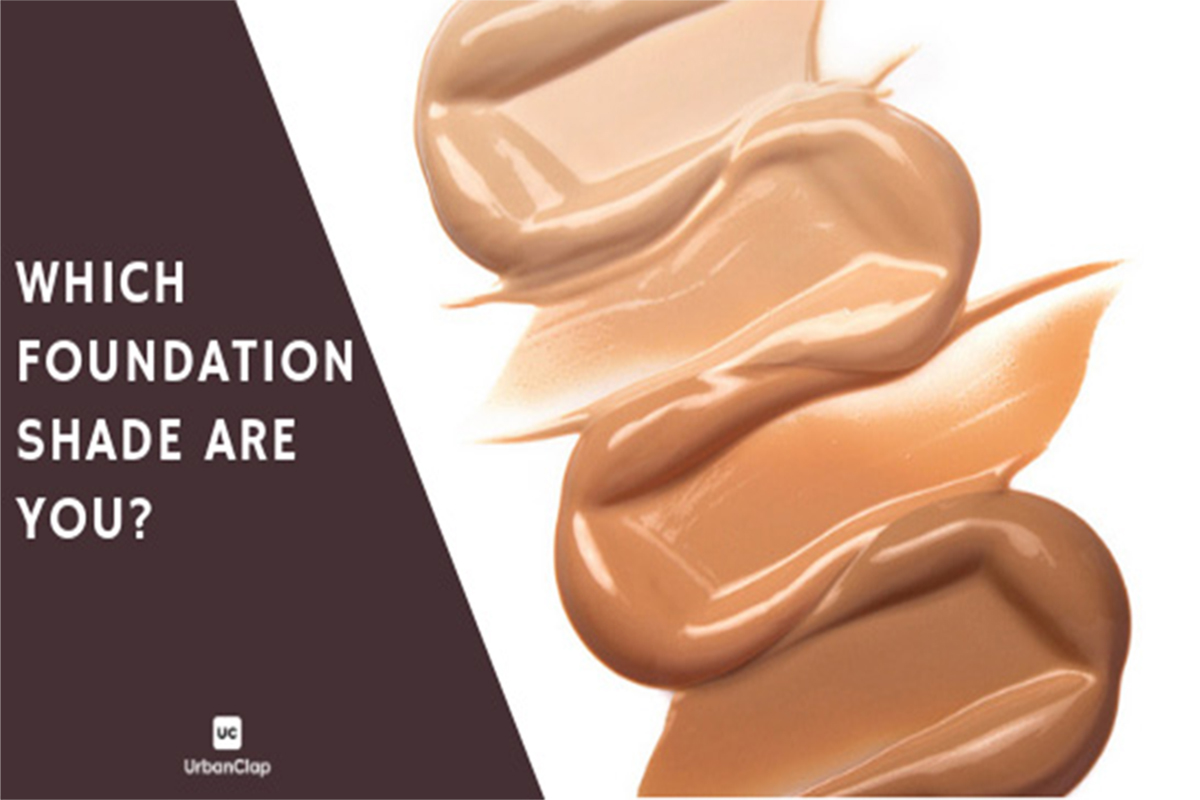
Test Shades in Real-World Light
True color is revealed by light. Prep with your usual skincare so the foundation behaves as it will in daily wear. Swipe three to five swatches along the jawline down onto the neck, bracketing your guess with one slightly lighter and one slightly deeper. Let them sit a few minutes to account for oxidation, the subtle darkening that can occur as pigments interact with air and oils. Blend the edges and step into natural light near a window, then outdoors in shade. Snap quick phone photos with and without flash to catch any cast. The right shade appears to disappear into your skin and neck without leaving a border. If you are between options, favor the one that vanishes at the jaw rather than the one that only matches the cheek. When discoloration shows through, reach for color correctors instead of choosing a deeper base; this preserves undertone accuracy while evening the canvas.
Match Beyond the Face: Neck, Chest, and Body
For a seamless beauty look, consider the whole canvas. Faces often run lighter than the neck or chest due to diligent sunscreen, or they may have patches of hyperpigmentation. Decide your strategy: matching the neck usually creates the most undetectable transition, especially in photos. If your chest is warmer than your face, pick a bridging shade that meets the neck halfway, then add a soft bronzer to the perimeter of the face to harmonize. Alternatively, keep your perfect face match and lightly even the neck with a sheer body tint or residual foundation on the sponge. Extend application to the hairline, ears, and just under the jaw to avoid lines of demarcation. Do not match to cheeks if they are flushed; that surface redness can mislead shade choice. If you use self-tanner, reassess often and keep a flexible pairing of base shades. Above all, maintain undertone continuity across face and body so the finish looks naturally unified.
Consider Formula, Coverage, and Finish
Shade is more than color; formula, coverage, and finish change how that color reads on skin. A matte foundation can look a touch deeper and flatter, while dewy or radiant finishes bounce light, appearing slightly lighter. Full coverage may skew cooler or more opaque, masking undertone and emphasizing mismatch, whereas sheer and skin tints allow natural tones to show through and can flex across close shades. Skin type matters: oil can deepen color over time, and dry patches may cling to pigment, making areas look dull or ashy. Mitigate with well-chosen primer and hydration. Be mindful of SPF filters or mineral ingredients that may create a faint cast in flash photography. Liquid, stick, and powder formats behave differently too; powders can shift as they mix with sebum, and sticks may run warmer due to waxes. Always reassess your match within the formula you plan to wear, not just the bottle's label.
Refine the Match: Adjusters, Application, and Wear
When you are close but not perfect, refine. Keep shade adjusters on hand: white to lighten, brown to deepen, yellow to warm, red to add rosiness, and blue to cool or mute excess orange. Mix a drop at a time on a palette, noting ratios so you can recreate the blend. Application tools also affect the final read; a damp sponge sheers and softens undertones, a brush builds coverage and intensity, and fingers warm the product for a seamless melt. Apply in thin layers, concentrating coverage at the center of the face and diffusing outward, then set strategically with a translucent or undertone-friendly powder. Use bronzer, blush, and highlighter to bring natural dimension back without altering your carefully chosen base. Always perform a wear test through different lighting and activities, checking for oxidation, settling, or color shift. Over time, build a small, flexible shade wardrobe you can mix, ensuring your beauty routine stays consistently true to your skin.