Hydration Myths and Facts for Better Health
Separate hydration facts from myths: how much to drink, what counts as fluids, caffeine's real impact, and smart ways to stay well hydrated.
Why Hydration Matters
Staying well hydrated is one of the simplest ways to support better health, yet confusion persists about what, when, and how much to drink. Water powers cellular function, aids digestion, cushions joints, regulates temperature, and supports brain performance such as focus and mood. Adequate fluids help your heart move blood efficiently, assist the kidneys in filtering waste, and keep skin looking and feeling its best. Despite these benefits, popular advice often leans on catchy rules that overlook context. Hydration is personal, shaped by body size, activity level, climate, and diet. The goal is not perfection, but consistent, mindful intake that meets your body's needs. As you read on, you will separate myths from facts, learn practical cues like urine color, and discover how beverages and foods work together to maintain balance. With a few thoughtful habits, you can make hydration effortless, sustainable, and aligned with everyday living.
Myth: Everyone Needs Eight Glasses
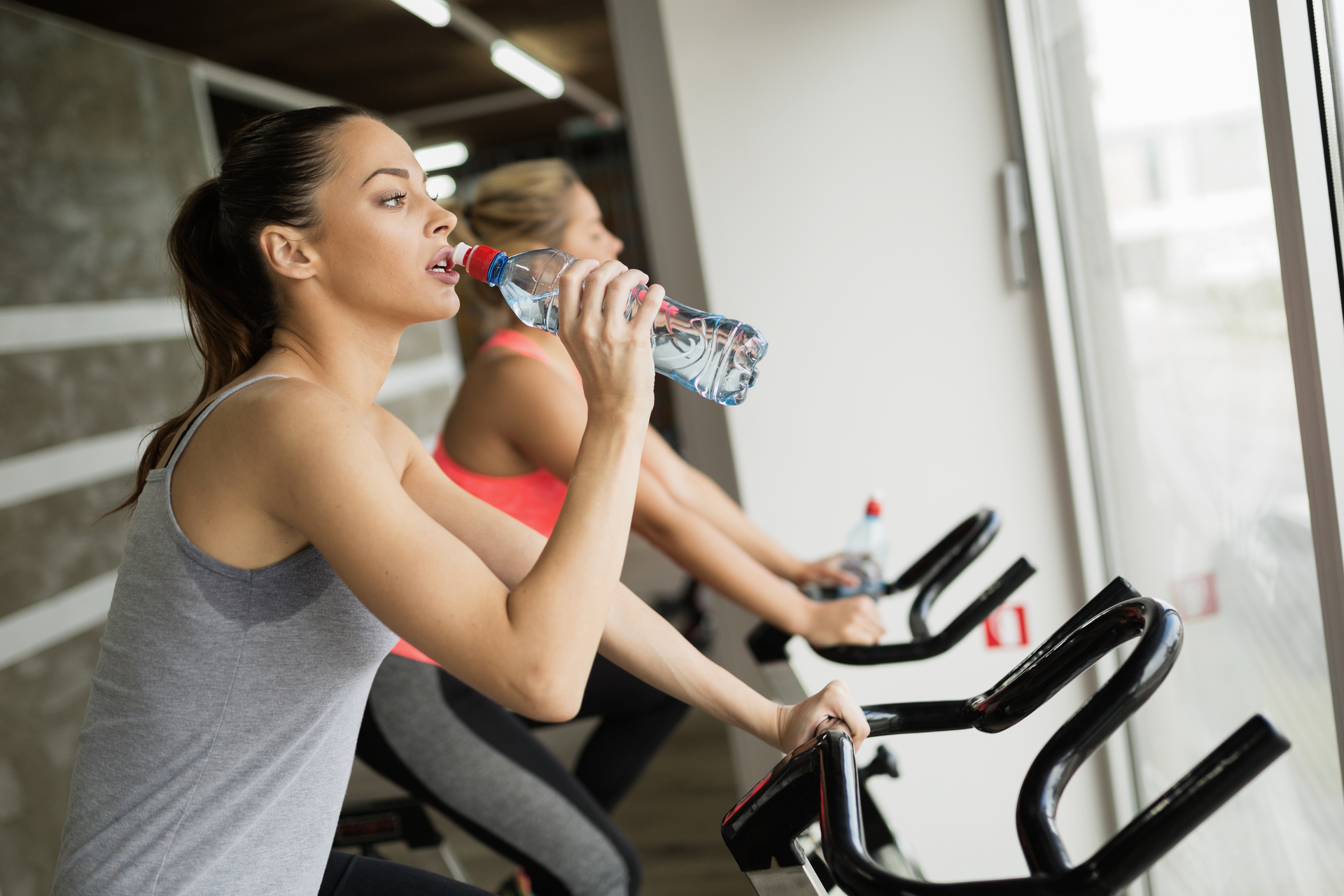
The idea that everyone must drink eight glasses daily sounds tidy, but it oversimplifies how fluid needs vary. Your ideal intake depends on sweat rate, environment, body composition, and food choices. Hydrating foods, such as fruits and vegetables, meaningfully contribute to your total fluids, as do soups and smoothies. A reliable guide is pale yellow urine paired with steady energy and clear thinking throughout the day. Heavier exercise, heat, or high-altitude travel may call for more, while cooler conditions or lighter activity may require less. Rather than counting identical glasses, build a flexible routine: start the day with water, sip at meals, and increase during physical activity. Keep a reusable bottle visible to prompt regular drinks, and adjust based on thirst, bathroom frequency, and how you feel. Embracing this personalized approach transforms hydration from a rigid rule into a responsive, body-aware practice that actually fits your life.
Myth: Thirst Is a Perfect Gauge
Thirst is useful but not flawless. It can lag behind your body's needs, especially during exercise, in very dry environments, or when you are deeply focused and simply ignore subtle cues. Early signs of underhydration may include fatigue, headache, irritability, or darker urine before a strong thirst sensation kicks in. Some people, including older adults or endurance athletes, may experience a blunted thirst drive, making proactive sipping important. A practical system combines internal signals with simple checks: aim for pale yellow urine, include fluids at regular intervals, and increase intake when sweating more than usual. Flavoring water lightly with citrus or herbs can encourage consistent drinking without added sugar. Remember that fluids from foods count too. Think of thirst as one tool in a broader toolkit. By pairing it with routine habits and objective markers, you ensure steady hydration without overthinking every sip.
Myth: Coffee and Tea Dehydrate You
Caffeinated drinks have a mild diuretic effect, but the water in coffee and tea still contributes to overall hydration. For most people, moderate intake of coffee or tea is hydrating, especially when consumed regularly, as the body adapts to caffeine's effects. The key is balance and awareness. If a beverage makes you feel jittery or disrupts sleep, timing and portion size matter more than the drink itself. Choose simple preparations or reduce add-ins like heavy creams and sweeteners that can add unnecessary calories. Complement caffeinated drinks with plain water or herbal tea, and consider spacing them throughout the day. Notice how your urine color, energy, and concentration respond. If you work out intensely, caffeine may enhance performance for some individuals, but it is not a replacement for water or electrolytes when sweat loss is significant. In everyday life, thoughtfully chosen coffee and tea can fit seamlessly into a smart hydration strategy.
Myth: Only Plain Water Counts
Plain water is an excellent choice, but it is not the only path to optimal hydration. Many beverages and foods contribute meaningfully to fluid intake. Herbal teas, sparkling water, milk alternatives, and broths can diversify flavors and support consistency. Hydrating foods such as cucumber, lettuce, tomato, berries, citrus, and watermelon provide water plus beneficial fiber, vitamins, and antioxidants. Smoothies blend fluid and nutrients, while soups offer warmth, fluids, and electrolytes, particularly sodium and potassium. Be mindful of added sugars, heavy creams, or excessive salt that might undermine your goals. If you prefer variety, lightly infuse water with fruit, herbs, or a splash of 100% juice. The takeaway is flexibility: combine beverages and water-rich foods that suit your taste, routine, and budget. When you enjoy your options, you are far more likely to drink consistently and meet your body's evolving needs.
Myth: Electrolyte Drinks Are Always Necessary
Electrolytes such as sodium, potassium, and magnesium help maintain fluid balance, nerve signaling, and muscle function. However, specialized sports drinks are not required for everyday tasks or short, low-sweat activities. Most people can meet needs with regular meals, snacks, and water. That said, prolonged, sweaty workouts, hot or humid conditions, or physically demanding jobs can increase electrolyte losses. In those cases, adding a balanced electrolyte source can be helpful, especially if you notice muscle cramps, dizziness, or unusually salty sweat. Choose options with moderate sodium and limited added sugar, or pair water with snacks like lightly salted nuts, yogurt, bananas, or broth-based soup. Listen to your body and the environment: the more you sweat, the more you need to replace. The goal is intelligent replenishment, not automatic reliance on sugary drinks. Tailoring electrolytes to actual conditions keeps hydration effective, efficient, and supportive of performance.
Myth: You Can't Drink Too Much Water
While uncommon in daily life, overhydration can occur, especially when large amounts of plain water are consumed rapidly without adequate electrolytes. This can dilute blood sodium, a state called hyponatremia, leading to symptoms like nausea, headache, confusion, and swelling in severe cases. Risks rise during long endurance events or when pushing excessive intake out of fear of dehydration. Balance is the safeguard. Match fluids to sweat loss, include electrolytes during extended effort, and let urine color guide you. For everyday habits, sip steadily: start your morning with water, drink with meals, and increase around activity. Front-load earlier in the day and taper in the evening if nighttime bathroom trips disturb sleep. Keep a bottle nearby, set light reminders, and flavor water to boost enjoyment. Thoughtful, responsive hydration supports energy, clarity, and resilience—without tipping into extremes.