Makeup Brushes 101: What to Use and Why
From foundation to eyeliner, learn the essential makeup brushes, what each shape does, how to choose the right fibers, and keep them clean.
Brush Basics Makeup brushes translate vision into results by controlling placement, pressure, and payoff. The two main fiber types are synthetic and natural. Synthetic fibers are typically smoother, absorb less product, and excel with liquids and creams because they don't drink up foundation or gloss. Natural fibers, often prized for subtle texture, grip powders beautifully and excel at soft diffusion. Shape matters just as much: flat, rounded, angled, and tapered heads each move product differently. Density dictates coverage; a dense brush lays down more color, while a fluffy brush gives airy blends. Pay attention to the ferrule (the metal that secures bristles) and handle balance for comfort and control. Choose larger, fluffier tools for sweeping application and smaller, tapered tips for precision. Brushes improve hygiene, make blending seamless, and help build coverage in layers rather than all at once. Start with a few versatile staples, then expand as your techniques and product preferences evolve.
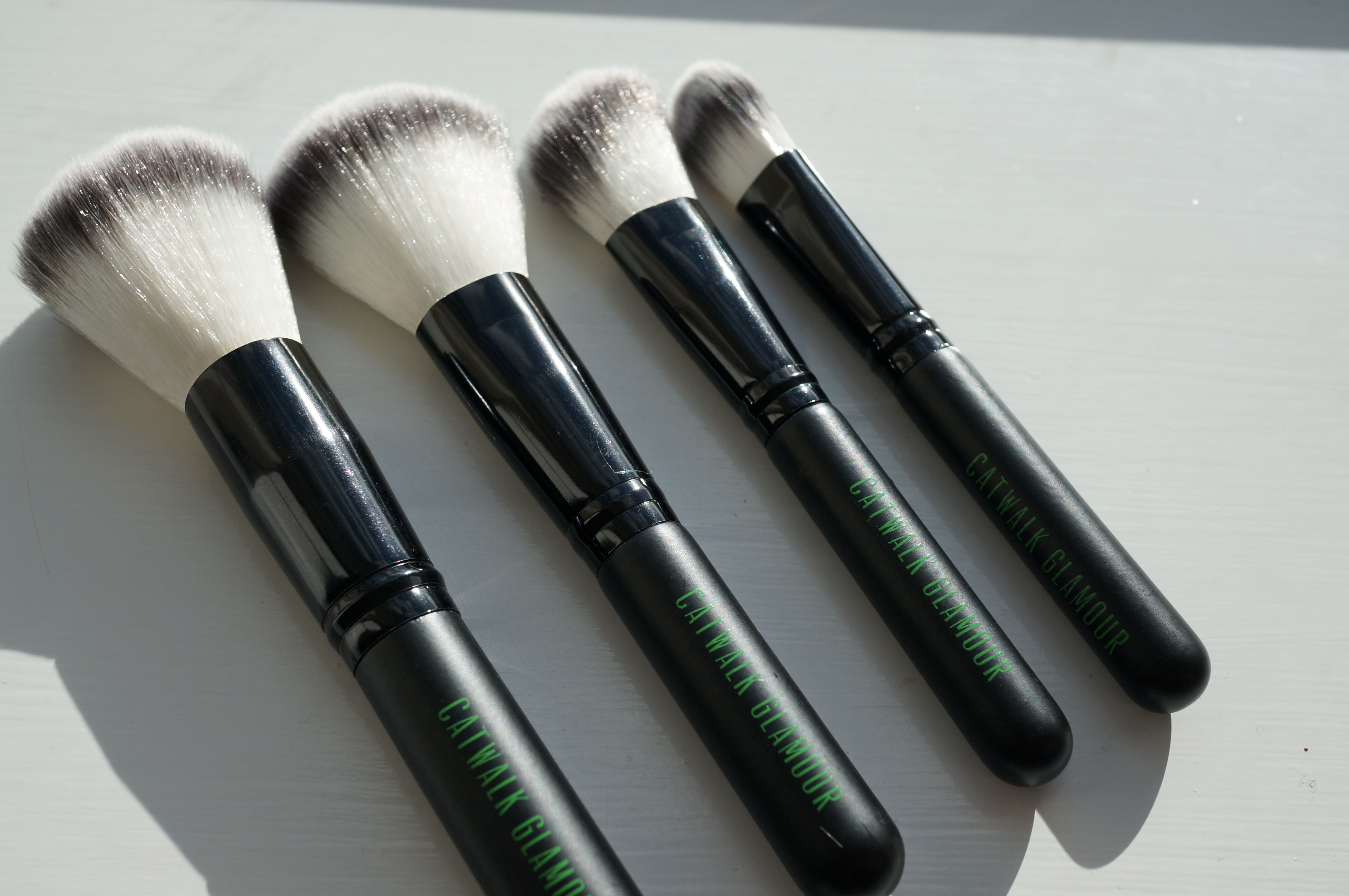
Flawless Base Tools A smooth base starts with the right tools. A flat foundation brush paints on liquid formulas with precision, ideal for building coverage in thin layers. A buffing brush has densely packed bristles that massage foundation into skin with circular motions for a natural, pore-blurred finish. Prefer an airbrushed look? A stippling brush uses duo-fiber tips to dot and swirl, creating a whisper-light veil that resists caking. For maximum efficiency, a kabuki brush covers large areas quickly and polishes creams or powders into a seamless canvas. A small, flat concealer brush tucks pigment into corners of the nose and under eyes without dragging delicate skin. Generally, synthetic fibers shine with liquid or cream formulas, while natural fibers float powders on top without disturbing what's beneath. Use pressing and rolling motions to sidestep streaks, then switch to light, outward strokes along the jawline and hairline to avoid demarcation. Let coverage build gradually; pressure, not just product, decides the finish.
Essential Eye Brushes Eye looks rely on architecture. A shader (flat) brush packs color onto lids by pressing, not swiping, to maximize intensity. A blending brush with a soft, domed head is your workhorse, diffusing edges so shades melt together. For structure, a crease brush—slightly tapered—tucks shadow into the socket with windshield-wiper motions, sculpting depth without harsh lines. A pencil brush targets detail along the lower lash line or inner corner highlight. An angled brush handles crisp liner or precise brow strokes, while a spoolie grooms and softens product for believable texture. When working with metallics or creams, synthetic fibers prevent drag; for matte powders, lightly tap off excess to minimize fallout. Start with small amounts, layer gradually, and hold brushes farther back on the handle for lighter pressure. Map transitions from mid-tone to deep shade, then return with a clean blender to erase seams. Remember: size guides control—smaller brushes grant precision, larger ones speed diffusion.
Cheeks And Sculpt Color placement on cheeks can transform the face. A large, fluffy powder brush sets makeup with a sheer veil, preventing caking by distributing evenly. For blush, an angled or medium rounded brush hugs the cheekbones, offering control over placement and blend. A softly domed bronzer brush warms the perimeter without muddying the center of the face. For sculpting, a small tapered or flat angled brush tucks contour into hollows with measured precision. Highlighter sings with a fan or petite tapered brush that kisses high points rather than streaking them. Dense tools boost payoff; duo-fiber or less-dense heads keep vivid formulas soft. With creams, use stippling or gentle tapping to avoid lifting base makeup; for powders, try light buffing to blur edges. Place blush slightly higher for a lifted effect, and connect bronzer from temple to cheek for sun-kissed continuity. Always step back, assess symmetry, and add a whisper more—overcorrection is harder to fix than restraint.
Care And Cleaning Well-kept brushes perform better and last longer. For routine upkeep, use a gentle cleanser designed for cosmetics; harsh soaps can strip fibers and cause frizz. Rinse bristles under lukewarm water with the tip pointing down, keeping the ferrule dry to protect glue. Massage cleanser through the hair, rinse until water runs clear, then reshape and lay flat or slightly angled downward to dry. Avoid heat, upright drying, or soaking—these bend fibers and loosen adhesive. Between deep cleans, a quick dry brush cleaner or color-removal sponge helps switch shades without dampness. Disinfect handles regularly and use light sanitizing sprays on synthetic fibers when needed, allowing full dry time before use. Store brushes upright in a breathable holder or zipped in a case with brush guards for travel. Shedding, splaying, or persistent staining signal it's time to deep clean—or replace. Consistent maintenance keeps application flawless and safeguards skin from buildup and breakouts.
Build Your Kit A smart kit prioritizes quality over quantity. Start with a core set: a buffing or kabuki for foundation, a small concealer, a powder brush, an angled blush/bronzer, a blender for eyes, a flat shader, and an angled liner/brow with a spoolie. Choose synthetic for liquids and creams, consider natural or textured synthetics for powders. Test handle length and weight—ergonomics affect pressure and precision. If you're budgeting, buy versatile singles: a medium shader doubles for concealer, a soft blender sweeps highlight, and an angled brush handles liner and brows. Seek softness, shape integrity, and minimal shedding; crisp edges and true tapering matter more than fancy packaging. Eco-conscious materials and cruelty-free options abound, so you can match values with performance. Upgrade strategically—replace the tools you reach for daily first. Practice technique, clean consistently, and keep notes on what each brush excels at. Remember, polished results come from deliberate motions, not just more brushes.