Master Your Resume: Tips to Stand Out to Recruiters
Turn your resume into a recruiter magnet. Learn how to tailor, quantify, and keyword-optimize your experience to pass ATS and win interviews.
Craft a Targeted Story: Recruiters and hiring managers move fast, so your resume needs a focused value proposition that speaks to their needs. Start by studying the job description keywords and the problems the role is meant to solve. Build a concise professional summary at the top that aligns your strengths with those priorities. Lead with role-relevant specialties, industries served, and two or three signature wins that demonstrate measurable impact. Use consistent job titles when possible to clarify progression, and trim content that does not support the target role to keep relevance high. Replace vague objectives with outcome-driven statements. Ensure the top third of your resume delivers a quick snapshot of who you are, what you deliver, and why it matters. Maintain clarity throughout, guiding the reader from summary to skills to achievements in a logical flow. Think of your resume as a strategic narrative, not a record of everything you have ever done.
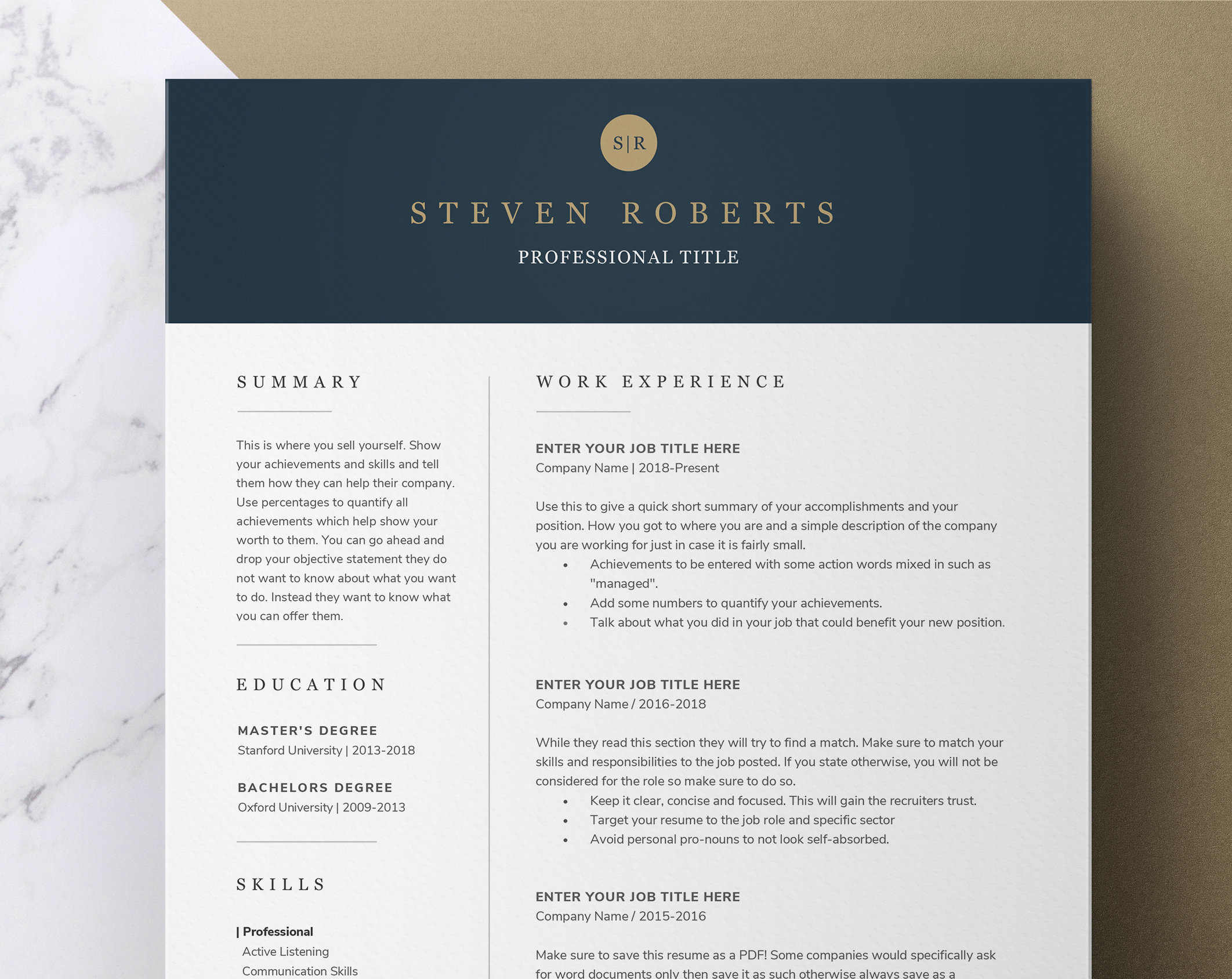
Optimize for ATS and Humans: Many teams rely on ATS-friendly formatting, so your document must parse cleanly while remaining persuasive to a human reader. Use standard section headings like Summary, Skills, Experience, and Education. Keep plain text formatting; avoid tables, text boxes, graphics, and unusual symbols that may break parsing. Mirror keywords from the posting naturally across your summary, skills, and bullets, including both acronyms and their full forms, such as CRM and Customer Relationship Management. Do not stuff keywords; let them appear where they are genuinely supported by results. Use simple characters for bullets and dividers, and maintain clean margins and consistent spacing. If the employer specifies a file type or naming convention, follow it precisely. Keep dates, locations, and job titles formatted consistently to reduce parsing errors. Most importantly, ensure each section remains readable, scannable, and aligned to the role so the system and the recruiter quickly see the fit.
Write Achievement-Driven Bullets: Replace task lists with concise statements of results. Use action verbs and emphasize metrics to prove value. A simple STAR approach helps: outline the situation and task briefly, highlight the action, and quantify the result. Show scope with indicators like team size, budget handled, portfolio breadth, or volume managed. When numbers are unavailable, frame outcomes with credible proxies such as quality gains, cycle time reductions, stakeholder satisfaction, or risk mitigation. Lead with the outcome: Drove double digit growth by redesigning onboarding and optimizing outreach cadence. Keep bullets tight, front loading the payoff and following with the how. Avoid duplicated points; each bullet should add new, role-relevant evidence. Limit internal jargon and translate accomplishments so they are clear outside your current organization. The goal is to make every line earn its place by answering a recruiter's core question: what did you change, by how much, and why it matters.
Showcase Skills With Evidence: Curate a balanced mix of hard skills and soft skills, but tie each to proof. List core technologies, methodologies, and domain knowledge in a dedicated section, then reinforce them within projects and experience bullets. If you claim leadership, show it through headcount growth, coaching outcomes, or cross functional influence. If you list analytics, include tools used, datasets handled, and insights delivered. Add certifications, training, or micro credentials that are current and relevant, and reference capstone work or deliverables when they strengthen credibility. Use honest proficiency labels for languages, tools, and frameworks; skip graphical bars that create ambiguity. Highlight transferable skills such as stakeholder management, communication, and problem solving, but anchor them in tangible evidence like presentations, workshops, or decisions influenced. Prune outdated technologies and redundant buzzwords so the skills section reads like a targeted capability profile, not a keyword dump. Precision and proof turn skill claims into trust.
Design for Clarity and Skimmability: A polished layout amplifies readability and credibility. Use clear headings, adequate white space, and consistent formatting for dates, locations, and titles. Favor reverse chronological experience so hiring teams can see your most recent impact first. Keep paragraphs short and bullets crisp; avoid dense blocks of text. Ensure consistency in tense, punctuation, and capitalization across all sections. Use a single, professional typeface and minimal accenting; color should support structure, not distract. Include accurate contact details and a professional profile or portfolio reference if appropriate, but do not bury critical information in headers or footers that some systems may ignore. Remove images and ornate elements that hinder accessibility or parsing. Review alignment and spacing on different screens to confirm skimmability. The aim is to reduce cognitive load so decision makers can grasp your strengths within seconds and feel confident moving you forward.
Tailor, Proof, and Evolve: Treat tailoring as standard practice, not an exception. Maintain a master resume with comprehensive achievements, then create custom versions for each application by prioritizing the most relevant skills and wins. Research the organization's goals and mirror the language of its priorities without copying. Perform rigorous proofreading to eliminate typos and inconsistencies; read aloud, use reliable tools, and request a peer review to catch tone and clarity issues. Address employment gaps with concise, factual notes that show progression, learning, or contribution. Keep a running log of new outcomes and refresh your resume regularly after notable impact. Track responses, iterate on your summary and keywords, and retire sections that no longer serve the target role. Pair your resume with a focused cover note that reinforces fit. Continuous improvement turns your resume from a static document into a living asset that compounds results over time.