Natural Pest Control: Keep Your Garden Healthy, Chemical-Free
Protect your garden without chemicals using companion planting, beneficial insects, handpicking, barriers, and soil health for resilient, pest-smart growth.
Garden Ecology Basics. Natural pest control begins with a mindset: your garden is a living web where plants, insects, birds, and soil organisms interact. When this ecosystem is balanced, pests rarely explode into damaging numbers. Focus on fostering biodiversity, because a wide mix of species creates checks and balances that keep troublemakers in line. Encourage beneficial insects, pollinators, and decomposers by providing food, shelter, and undisturbed spaces. Avoid immediate, blanket reactions when you see chew marks; first identify the culprit and note whether natural predators are already present. Many pests are opportunists thriving on stress. Strengthen your plants and let nature do much of the work. Over time, your garden becomes more resilient, requiring fewer interventions. Think of yourself as a steward guiding habitat health, not a referee blowing the whistle at every nibble. Embrace patience, observe regularly, and intervene gently. In this way, natural pest control is less a single tactic and more a holistic strategy that aligns with how landscapes thrive.
Prevention Through Plant Health. Healthy plants resist pests better than weakened ones, so ground your efforts in soil health. Feed soil life with compost, leaf mold, and well-aged organic matter to build structure, moisture retention, and balanced nutrients. Practice crop rotation to disrupt pest life cycles and reduce disease pressure. Choose resistant varieties suited to your climate and microclimate, and space plantings for airflow to limit fungal issues that invite secondary pests. Water deeply and less often to encourage deep roots, and use mulch to moderate temperature and suppress weeds without smothering stems. Keep tools clean, remove dead or diseased material promptly, and maintain tidy edges where pests often hide. Avoid over-fertilizing with quick-release nitrogen, which can spur tender growth that sap-suckers love. The aim is steady vigor, not rapid flushes. By building a foundation of balanced fertility, consistent moisture, and good hygiene, you create conditions where pests struggle to gain a foothold and beneficial life can flourish.
Invite Beneficial Allies. Many of your best pest managers have wings or many legs. Attract lady beetles, lacewings, hoverflies, parasitic wasps, and ground beetles by planting companion flowers that offer nectar and pollen across the seasons. Umbel blooms like dill and fennel, and clusters such as yarrow and alyssum, provide excellent forage. Interplant with aromatics like basil, rosemary, and mint to confuse pest scouting. Add structural diversity: a mix of ground covers, shrubs, and taller perennials creates microhabitats for predators to shelter and hunt. Provide small sources of water with stones for safe landings, and leave a few undisturbed leaf piles or hollow stems for overwintering. Bright night lighting can disrupt nocturnal allies; keep it minimal. Avoid broad-spectrum sprays that wipe out friends along with foes. By designing for continuous bloom, layered habitat, and gentle maintenance, you assemble a resident task force that patrols daily, reducing the need for hands-on control while keeping your garden lively and productive.
Physical Barriers and Mechanical Tactics. Simple tools can prevent big problems. Use floating row covers to shield seedlings from flea beetles and cabbage moths, removing them when plants need pollination. Install collars around young stems to stop cutworms, and stretch fine netting over fruit to deter birds without trapping wildlife. For slugs and snails, set beer traps, lay boards as hiding spots to collect them in the morning, or use copper barriers where appropriate. A strong water spray can dislodge aphids and mites, while regular handpicking of beetles and caterpillars keeps numbers low with minimal disturbance. Place sticky traps for monitoring flying pests, using them sparingly to avoid catching beneficials. Prune crowded growth for airflow and sun penetration, making habitats less inviting to fungal problems and borers. Always check plants carefully before bringing them home, and quarantine newcomers briefly. These physical and mechanical methods are precise, low-risk, and compatible with wildlife-friendly gardening, forming a sturdy first line of defense.
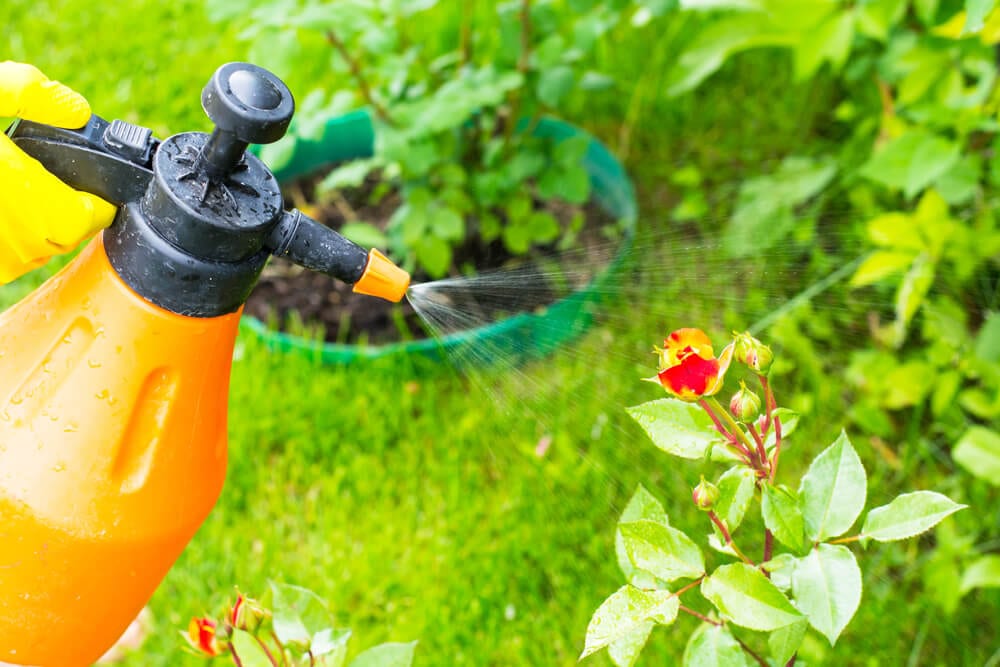
Botanical and Mineral Solutions, Used Wisely. When pressure rises, targeted sprays can help, but treat them as supporting tools, not shortcuts. Insecticidal soap and horticultural oil smother soft-bodied pests like aphids, whiteflies, and scales when applied thoroughly to undersides of leaves. Neem-based products can disrupt feeding and growth of chewing insects; apply thoughtfully to avoid contact with pollinators. Diatomaceous earth scratches and dehydrates crawling pests; dust lightly and keep it dry, avoiding blooms and windy days. Kaolin clay creates a protective film that discourages certain insects and sunscald on fruit; reapply after heavy rain. Homemade garlic or pepper sprays can repel pests, though results vary. Always spot-test on a small area, follow label directions, and spray in the cool hours of early morning or evening to protect leaves and beneficial insects. Store products safely and use only what you need. The goal is precision: minimize collateral impact while tipping the balance back toward plant resilience.
Biological Controls That Work With Nature. Harness living allies to suppress pests from within the ecosystem. Bacillus thuringiensis (Bt) targets specific caterpillars when applied to feeding foliage, leaving most other insects unaffected. Beneficial nematodes seek out soil-dwelling grubs and larvae, reducing future outbreaks. In some cases, releases of green lacewing larvae or predatory mites can quickly curb hotspots of soft-bodied pests. Success improves when releases match the pest and conditions; plan timing and provide habitat so introduced helpers stick around. Encourage birds with native shrubs, dense hedges, and clean water; many feed their young a steady diet of caterpillars. Bats and frogs can also contribute in balanced landscapes with roosts or small ponds. Remember that biological controls work best as part of a diverse strategy and may take time to show results. Combine them with prevention, monitoring, and gentle backups to maintain a living, self-regulating defense against infestations.
Monitoring, Timing, and Integrated Strategy. Effective natural control depends on observation. Walk your garden regularly, flipping leaves, inspecting new growth, and noting patterns. Use simple thresholds to decide when to act; a few nibbles may be acceptable, while rapid defoliation calls for response. Keep a garden journal to record pest sightings, weather, plant vigor, and which tactics worked, then refine your plan. Time interventions to pest life stages—young larvae are easier to manage than mature adults. Rotate tactics so pests cannot adapt, and combine cultural, mechanical, biological, and carefully chosen botanical tools for layered resilience. Prioritize the least disruptive method that will do the job, and escalate only if needed. Celebrate small wins, like a spike in lady beetles or fewer aphids after pruning. With patience and consistency, your garden evolves into an integrated system where plants, helpers, and habits collaborate, keeping pests in check while your landscape thrives, productive and chemical-free.