Sleep Smarter: Strategies for Restorative Nights
Sleep smarter with science-backed tactics: align your body clock, optimize your bedroom, refine wind-down rituals, and wake genuinely restored.
Reset Your Rhythm
Your body runs on a finely tuned circadian rhythm that coordinates energy, mood, and the timing of deep, restorative sleep. To sleep smarter, give your clock clear signals. Choose a consistent wake time as your daily anchor and protect it, even on weekends, so your internal timing stabilizes. Seek natural morning light and gentle movement soon after getting up; these cues tell your brain it is daytime and help build healthy sleep pressure for the night ahead. In the evening, dim household lights and lower stimulation to nudge melatonin's natural rise. Keep naps short and earlier in the day so they do not steal sleepiness from bedtime. Treat caffeine as a morning tool and taper it well before afternoon, since it can linger and mask tiredness. Go easy on alcohol and nicotine, which fragment sleep and disrupt REM. Maintain a cooler night routine, because temperature shifts help your body wind down. Consistency compounds, turning small habits into powerful, restorative nights.
Craft a Sleep Sanctuary
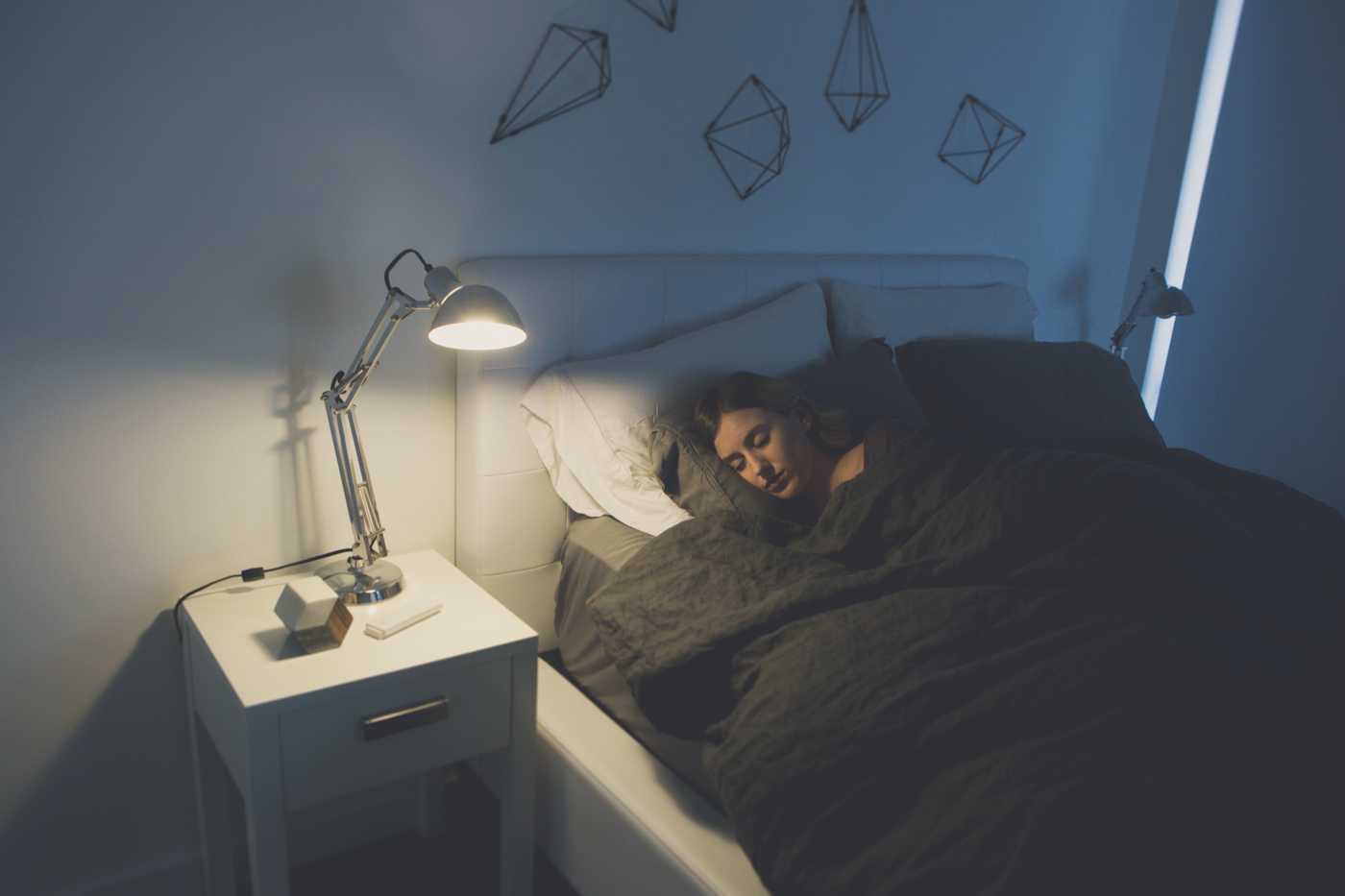
A thoughtfully designed sleep environment acts like a lullaby for your senses. Aim for a room that is cool, dark, and quiet so your brain receives a clear, unambiguous message: it is time to sleep. Use blackout curtains or an eye mask to guard against stray light, and consider steady, low-level sound from white or pink noise to buffer unpredictable disturbances. Choose a supportive mattress and a pillow that keeps your neck aligned; breathable, soft bedding helps regulate body temperature, reducing middle-of-the-night awakenings. Clear visual clutter so your mind does not associate the room with unfinished tasks. Charge devices outside the bedroom or set strict blue light filters and notifications to off, preventing late-night pings from hijacking attention. Keep work materials out of sight to protect the bed as a cue for rest. If you share the space, communicate about bedtime, room temperature, and noise preferences, and plan solutions that respect both sleepers. Small upgrades here deliver outsized, nightly returns.
Prime the Evening Wind-Down
Sleep begins before your head hits the pillow. Build a consistent wind-down routine that gradually lowers arousal and invites calm. About the same time each night, dim lights and swap stimulating tasks for soothing ones: gentle stretching, light reading, or a calming playlist at low volume. Try progressive muscle relaxation, scanning head to toe and releasing tension you did not realize you were carrying. A warm bath or shower can help because the drop in body temperature afterward fosters sleepiness. Wrap up heavier meals earlier in the evening and keep late snacks light, emphasizing easy-to-digest options. Balance hydration so you are comfortable but not waking repeatedly. Create a brief journaling moment to clear mental clutter—list lingering to-dos, set them aside, and note three gratitudes to cultivate a softer mindset. Power down bright screens or use robust blue light reduction to protect melatonin. Repeat these cues nightly; predictability trains your nervous system to transition smoothly into restorative sleep.
Daytime Habits That Pay Off at Night
What you do from sunrise to sunset shapes the quality of your sleep architecture. Seek natural light early and sprinkle micro-doses of daylight through your day; these cues strengthen your circadian signals and boost alertness. Move your body regularly, whether it is a brisk walk, strength work, or mobility training. Consistent activity deepens slow-wave sleep, while very intense workouts are best scheduled with enough buffer before bedtime. Treat caffeine as a strategic ally in the morning, then taper to protect nighttime rest. If you nap, keep it short—ten to twenty minutes—to refresh without derailing bedtime, and avoid late-day snoozes. Stabilize meal times to reinforce your internal clock, favoring balanced plates that keep energy steady. Add stress regulation between tasks: microbreaks, breathing practices, or a brief mindful pause reduce accumulated tension that can spill into the night. Nurture positive social connection and laughter; both quiet the stress response. These daytime levers transform nights from restless to restorative.
Quiet the Busy Mind
A racing mind often stands between you and sleep onset. Train your brain to power down with proven cognitive techniques. Schedule a short worry window earlier in the evening to write concerns and next steps, signaling to your mind that problem-solving time is over. In bed, practice stimulus control: if you cannot fall asleep after a while, get up, do something calm in low light, and return only when drowsy, teaching your brain that bed equals sleep. Try paradoxical intention—gently trying to stay awake—to dissolve performance pressure. Experiment with the cognitive shuffle, imagining neutral, unrelated objects to disrupt rumination loops. Use breathwork like box breathing or a paced 4-7-8 pattern to lower arousal, or do a brief body scan with nonjudgmental awareness. Turn clocks away to avoid anxious clock-watching. Replace perfectionism with a kind mantra: Practice, not perfection. Easing hyperarousal creates space for your natural sleep drive to take over.
Nourish for Nighttime Chemistry
Food influences the hormones and neurotransmitters that guide sleep quality. Build meals with complex carbohydrates, fiber, healthy fats, and protein to stabilize energy and support the transport of tryptophan, a precursor to serotonin and melatonin. Consider a light evening snack when needed: oats with yogurt, banana with almond butter, or whole-grain crackers with cheese can be gentle and satisfying. Magnesium-rich choices such as leafy greens, pumpkin seeds, and almonds help with relaxation, while potassium from bananas or potatoes aids fluid balance. Keep late meals lighter and avoid heavy, spicy, or very fatty dishes that provoke reflux or discomfort. Balance hydration through the day, tapering in the evening to reduce awakenings. Watch hidden caffeine in tea, soda, energy drinks, and chocolate. If alcohol is present, keep it modest and earlier, as it fragments REM and can prompt early wakeups. Nourishing, steady nutrition patterns support calmer evenings and more efficient, refreshing sleep.
Track, Tweak, and Seek Support
Smart sleepers become curious scientists of their own nights. Keep a simple sleep diary—bedtime, wake time, awakenings, caffeine, exercise, stress, and evening routine—and review it weekly for patterns. Focus on trends in sleep efficiency, sleep latency, and how you feel during the day, not on single rough nights. If you use a wearable, treat the data as guidance rather than judgment; your body's signals always come first. Tweak one variable at a time for a clear read on cause and effect. Watch for red flags such as loud snoring, gasping, persistent daytime sleepiness, morning headaches, or restless leg sensations; consult a qualified health professional if these appear. For shift changes or travel, plan gradual schedule adjustments and deliberate light exposure to steer your clock. Celebrate small wins, because consistency multiplies benefits over time. Approach setbacks with compassion, refine your playbook, and keep experimenting until restorative sleep becomes your nightly default.