Small-Space Garden Magic: Vertical Ideas That Thrive
Turn tight corners, balconies, and blank walls into lush, productive vertical gardens with smart structures, right plants, and easy upkeep tips.
Rethinking Space: Why Go Vertical
Small spaces can bloom when you start thinking upward. Vertical gardening transforms bare walls, balcony rails, and compact patios into layered habitats that deliver more foliage and flavor per square foot. By lifting plants off the ground, you increase sunlight access, enhance air circulation, and create handy microclimates—shadier pockets for tender greens below, toasty ledges up high for heat lovers. Vertical elements also act as living privacy screens, softening city noise and framing cozy nooks without overwhelming the footprint. Modular systems and lightweight containers let renters reconfigure layouts quickly, while stackable units keep pathways clear and tidy. Thoughtful drainage keeps floors dry and roots happy, and staggered tiers make harvests and maintenance effortless. Whether you grow herbs outside a kitchen window or train climbers along a simple trellis, going vertical multiplies possibilities, invites pollinators, and turns overlooked surfaces into productive, artful backdrops. Start with one wall or corner, observe how light moves, then layer upward with intention and delight.
Smart Structures and Materials
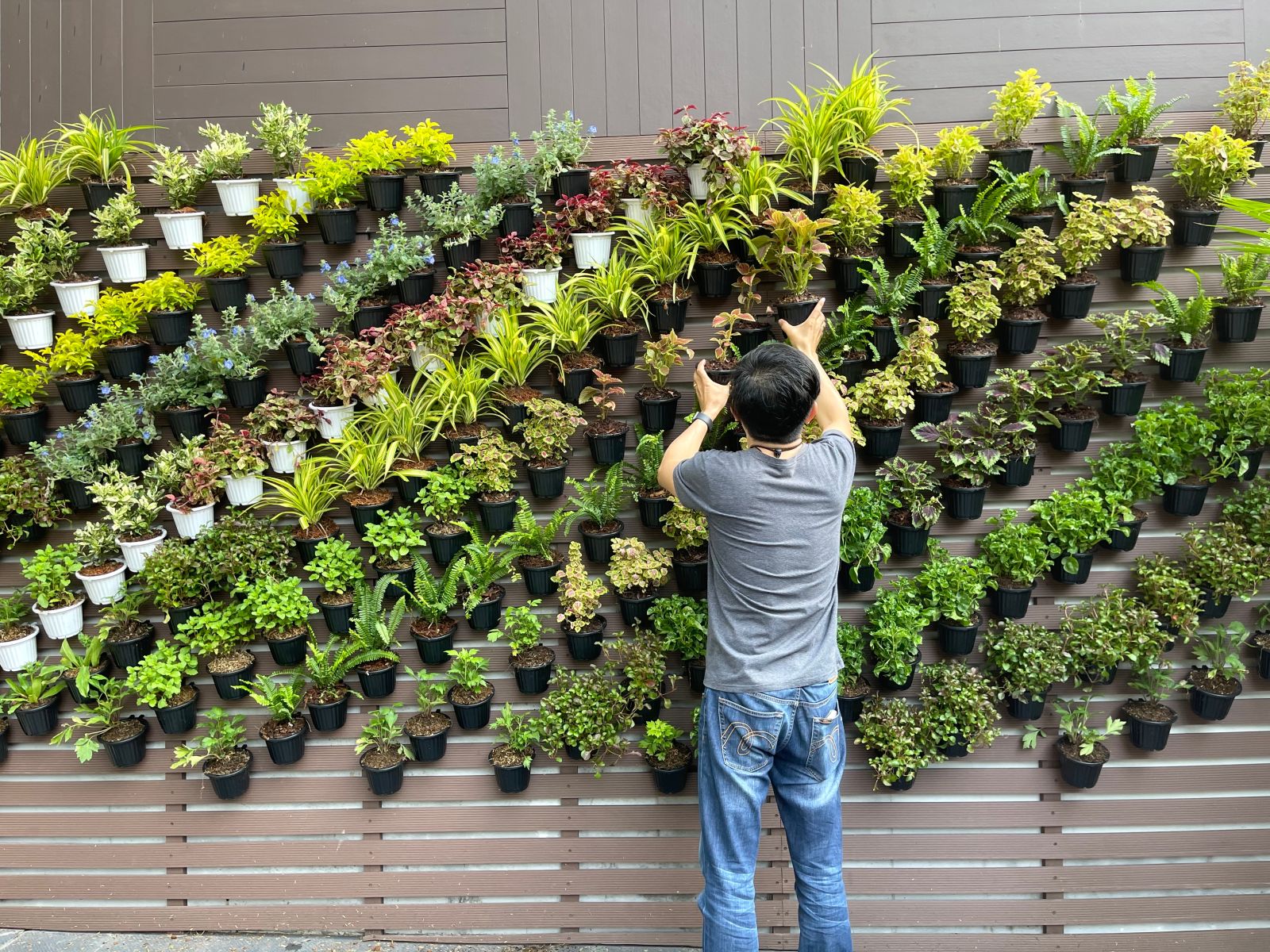
Choose structures that match your space, style, and maintenance goals. Classic trellises, obelisks, and slim arbors guide climbers skyward without crowding walkways. For walls, consider modular panels, pocket planters, or rail-mounted troughs that distribute weight evenly. If repurposing pallets or gutters, favor materials that are clean, sturdy, and ideally untreated; add liners to protect roots and surfaces. Weather-resistant options—cedar, composite, powder-coated steel, or UV-stable fabric—stand up to sun and moisture while staying light. Prioritize stability: secure tall pieces with anchors or over-the-rail brackets, and confirm load ratings for balconies. Build in smart drainage with perforations and saucers, and keep drip edges clear to protect floors. A simple drip irrigation line or self-watering reservoir reduces daily chores and conserves water. Renters can lean on S-hooks, zip ties, and adjustable straps to create non-permanent systems that still feel polished. Sketch your layout, measure clearances, and keep access points open so pruning, harvesting, and watering remain comfortable and safe.
Plants That Climb, Trail, and Thrive
The best vertical gardens match plant habits to structure and light. Sun-bathing climbers like pole beans, cucumbers, and compact tomatoes love sturdy supports and consistent feeding. Tender herbs—basil, thyme, chives, and mint (contained to prevent takeover)—thrive in pockets near kitchens for effortless snipping. Strawberries spill sweetly from stacked planters, while trailing nasturtiums add peppery blossoms and pest-distracting color. For shade, think ferns, philodendrons, pothos, and ivy-like growers, taking care with species that can become aggressive outdoors. Succulents and sedums suit shallow, fast-draining wall grids, creating low-care texture mosaics. Prioritize root depth, mature size, and water needs to avoid crowding and stress. Mix pollinator-friendly natives and fragrant bloomers—like jasmine or honeysuckle—where space allows, balancing nectar sources across the vertical plane. Stagger foliage shapes and tones for year-round interest: glossy leaves beside matte, fine textures against big, bold forms. Rotate edible crops through tiers to manage depletion, and practice gentle companion planting—tucking basil near tomatoes or lettuces beneath taller vines to share shade and moisture.
Watering, Feeding, and Daily Care
Vertical success hinges on even moisture and sensible routines. Gravity can wick water away quickly, so combine drip lines, watering wands, and self-watering inserts to keep roots steady without soggy pockets. Improve moisture retention with high-quality potting mix, a dash of coco coir, and a sprinkle of biochar for structure and microbial support; top with light mulch to slow evaporation. Feed with balanced, slow-release nutrients and occasional compost tea to encourage steady growth. Guide vines using soft ties, clips, or Velcro tape, training stems for ideal airflow and light penetration—key defenses against powdery mildew. Embrace integrated pest management: inspect leaves, handpick pests early, use sticky traps for monitoring, and spot-treat with mild solutions like insecticidal soap when needed. Snip spent blooms to spur new flushes, prune crowded stems, and clean catch trays to deter fungus gnats. A brief daily walk-through—checking moisture, tie points, and new growth—keeps small issues tiny and your greenery thriving.
Design Tricks for Beauty and Function
Treat your vertical garden like living art, balancing proportion, rhythm, and contrast. Lead the eye with a tall focal point—an elegant obelisk or a bold-leaved climber—then echo shapes or colors in smaller accents for cohesion. Color blocking herbs, greens, and flowers adds clarity, while staggered heights create dimension without clutter. Mirrors or light-toned backdrops boost brightness, and narrow shelves turn unused slivers into productive ledges. Choose multifunctional pieces: planters on casters for easy sun-chasing, privacy screens that double as trellises, and benches with hidden storage for tools. Blend edible ornamentals—chard, kale, and peppers—with bloomers to maximize beauty and harvests. In breezy zones, add wind-smart lattices that filter gusts instead of blocking them. Layer fragrance near seating to enrich quiet moments, and include gentle lighting to enjoy foliage after dusk. Always confirm weight limits, keep pathways clear, and leave room for comfortable seating so your vertical garden feels generous, grounding, and truly livable.