The Beginner's Guide to Balanced Nutrition
New to healthy eating? This guide shows the plate method, portion sizes, smart swaps, and simple meal planning to build balanced, satisfying meals.
Understanding Balanced Nutrition
Balanced nutrition is the practice of giving your body what it needs to thrive through variety, moderation, and consistency. At its core, it balances energy intake with daily demands while prioritizing nutrient-dense foods over highly processed choices. Instead of rigid rules, think of it as a flexible framework that supports satiety, steady energy, and long-term well-being. A balanced approach includes a mix of carbohydrates, proteins, and fats, alongside a colorful range of produce for vitamins, minerals, and antioxidants. It also respects individual differences—age, activity level, preferences, and culture influence what balance looks like for you. By emphasizing whole foods, mindful portions, and enjoyable meals, you reduce cravings, stabilize appetite, and make healthy choices feel natural. Consider how meals make you feel over several hours: good energy, comfortable fullness, and clear focus are positive signs. Balanced nutrition is not perfection; it is a sustainable pattern that supports daily life, recovery, and resilience.
Building a Balanced Plate
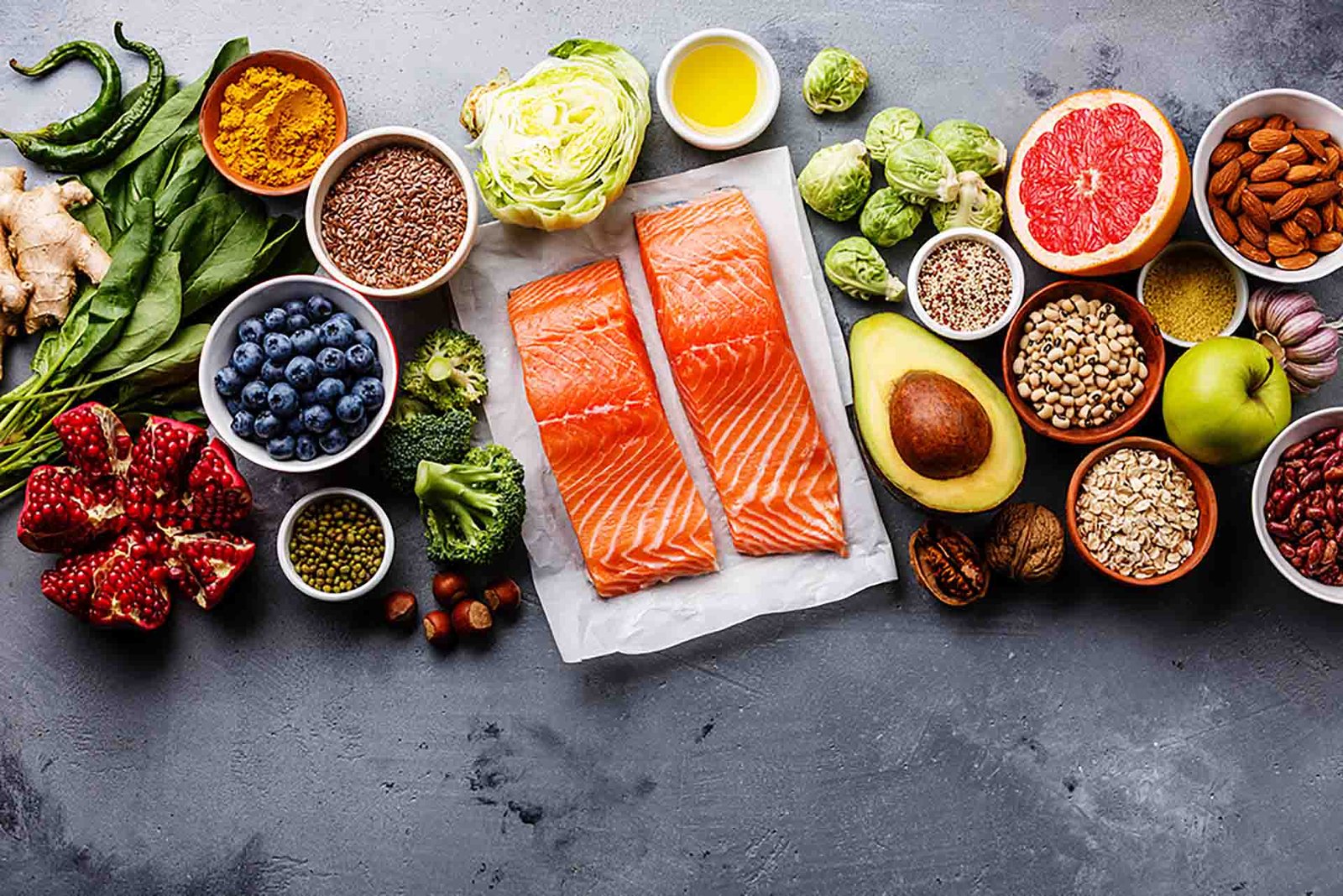
A simple way to visualize balance is to build your plate with intention. Aim for half the plate to feature vegetables and fruits in a variety of colors, providing fiber, phytonutrients, and hydration. Reserve a quarter for protein sources such as poultry, fish, eggs, legumes, tofu, or Greek yogurt, which support muscle repair and fullness. The final quarter can hold whole-grain carbohydrates like brown rice, quinoa, oats, or whole-wheat pasta, fueling movement and brain function. Add a small portion of healthy fats—such as olive oil, avocado, nuts, or seeds—to enhance flavor and nutrient absorption. Season generously with herbs, spices, citrus, and vinegar to elevate taste without relying on excess sugar or sodium. Mix raw and cooked textures, and include fermented options like sauerkraut or kefir to support gut health. This plate model is flexible: build bowls, wraps, soups, or stir-fries using the same proportions, adapting to your tastes and schedule.
Macronutrients Made Simple
Understanding macronutrients helps you compose meals that satisfy and perform. Carbohydrates are the body's preferred energy source, especially for the brain and high-intensity activity. Choose mostly complex carbs—whole grains, legumes, starchy vegetables, and fruit—for longer-lasting energy and more fiber. Protein is essential for tissue maintenance, hormone production, and immune function. Distribute protein across meals to support satiety and recovery; include options like fish, lean meats, eggs, dairy, tempeh, tofu, lentils, or beans. Fats are crucial for hormone health, cell structure, and absorption of fat-soluble vitamins. Favor unsaturated fats from olive oil, nuts, seeds, and fatty fish while using butter or rich spreads more sparingly. Rather than chasing exact ratios, focus on quality and balance at each meal. Combine all three macros for stable blood sugar and steady energy—a hearty chili with beans and vegetables, a grain bowl with salmon and greens, or a tofu stir-fry with rice and sesame oil are practical examples.
Micronutrients and Hydration Essentials
Micronutrients—the vitamins and minerals your body needs in small amounts—have a big impact on energy, immunity, cognition, and bone health. Embrace a colorful rotation of foods: leafy greens for folate and vitamin K, citrus and berries for vitamin C, nuts and seeds for magnesium and vitamin E, dairy or fortified alternatives for calcium, and legumes and lean meats for iron and zinc. Pairing foods can boost absorption, such as vitamin C–rich produce with plant sources of iron. Hydration is equally vital; water supports digestion, temperature regulation, and nutrient transport. Thirst, darker urine, fatigue, and headaches can signal you need more fluids. Alongside water, enjoy unsweetened beverages and water-rich foods like cucumbers, oranges, and soups. For active days or hot conditions, include food sources of electrolytes—bananas, yogurt, tomatoes, leafy greens—to maintain fluid balance. Aim for consistent sipping across the day, letting your body's cues guide total intake.
Portions, Hunger, and Meal Timing
Portion awareness enhances mindful eating without strict counting. Practical guides help: a palm-sized portion of protein, a cupped handful of whole grains or starchy vegetables, two cupped hands of non-starchy vegetables, and a thumb-sized portion of healthy fats can create satisfying meals. Adjust portions based on hunger, activity, and goals—more on active days, less when appetite is naturally lower. Pay attention to hunger and fullness cues: gentle hunger before meals, comfortable fullness after, and steady energy between. Balanced snacks can bridge longer gaps—pair protein with fiber, like yogurt with berries or hummus with carrots. Meal timing can be flexible; what matters is consistency and overall balance across the day. Before activity, favor easy-to-digest carbs with a little protein; afterward, replenish with a mix of protein and carbohydrates. Create a routine that suits your lifestyle so nutrition supports, rather than complicates, your daily rhythm.
Smart Shopping and Prep Strategies
A well-stocked kitchen makes healthy choices convenient. Start with a simple list: produce, whole grains, proteins, healthy fats, and flavor builders like herbs, spices, citrus, and vinegars. When you choose packaged items, read labels: look for shorter ingredient lists, higher fiber, and modest added sugars and sodium. Keep staples on hand—canned beans, tuna, tomatoes, frozen vegetables and berries, oats, brown rice, quinoa, nuts, and olive oil—to assemble quick meals. Embrace batch cooking: roast a tray of mixed vegetables, cook a pot of grains, and prepare a protein to mix and match through the week. Pre-wash greens, chop snack vegetables, and portion nuts or yogurt for grab-and-go convenience. Use your freezer strategically for soups, stews, and cooked grains. Flavor matters: a drizzle of tahini, a squeeze of lemon, or a sprinkle of toasted seeds can turn a basic bowl into a satisfying, nutrient-dense meal.
Sustainable Habits and a Healthy Mindset
Long-term success comes from habits you can maintain. Start small—add one vegetable to lunch, drink water with breakfast, or cook at home one more time per week. Stack new behaviors onto existing routines to make them stick. Design your environment for success: put fruit on the counter, keep a water bottle visible, and stock easy protein options. Track what helps you feel energetic and satisfied, focusing on patterns rather than perfection. Celebrate non-scale wins like improved sleep, better focus, steadier mood, or stronger workouts. Honor cultural foods and personal preferences; balanced nutrition is inclusive and adaptable. Plan for social events by eating balanced meals beforehand and savoring favorite items mindfully. When setbacks happen, practice self-compassion and return to your next balanced choice. Over time, these small, consistent actions create momentum, making balanced nutrition a natural part of your lifestyle rather than a short-lived effort.