The Rise of Slow Living: Why Less Is the New More
Slow living swaps hustle for intention, helping you simplify, reclaim time, and find meaning, health, and joy in the everyday.
A Movement Gains Momentum: Across culture and commerce, the trend toward slow living is gathering quiet strength. It is not about idleness; it is about intentionality, choosing a humane pace in a world calibrated for speed. People are reexamining the attention economy, noticing how constant urgency erodes presence, creativity, and connection. In response, slow living reframes daily life as a sequence of deliberate choices rather than reflexive reactions. It pairs simplicity with discernment, asking what truly deserves space on the calendar, on the shelf, and in the mind. As a trends narrative, it cuts across demographics: urban professionals, families seeking calmer routines, and entrepreneurs designing humane businesses. The draw is practical as well as poetic—reduced burnout, clearer priorities, and a steadier mood. Slow living does not reject progress; it questions whether progress without rest is progress at all. By embracing slowness, individuals discover that less can indeed unlock more of what matters.
Redefining Success: At the heart of slow living is a new definition of success that values time affluence as much as income. The metric shifts from accumulation to well-being, from constant growth to sustainable growth. Rather than optimizing every minute, slow living invites purpose-driven planning: fewer, better commitments that align with personal values. This reframe spotlights the power of saying no, of guarding white space for reflection, learning, and genuine rest. It treats focus as a finite resource and enough as a legitimate goal. Success becomes multidimensional—relationships, health, curiosity, and contribution sit beside career outcomes. By softening the fixation on speed, people notice the compounding benefits of quality over quantity: fewer errors, deeper satisfaction, and work that ages well. The trend resonates because it offers resilience in uncertain times; when external markers wobble, an inner compass anchored in meaning remains steady. In that steadiness, ambition becomes calmer, clearer, and more humane.
Practical Rhythms for Daily Life: Slow living thrives in the small, repeatable rituals that shape a day. Start with single-tasking: answer messages in batches, cook without screens, walk without headphones once in a while to reset attention. Build mindful meals that favor whole ingredients, local produce when possible, and unhurried conversation. Create gentle bookends to the day—morning light, a brief stretch, a journal line; evening tea, low lighting, a device curfew. Protect screen boundaries by setting app timers and designating phone-free zones like the table or bedroom. Shift errands into weekly rhythms—laundry day, planning hour, shared shop lists—to reduce decision fatigue. Schedule micro-pauses between tasks to breathe and notice your body. Choose a craft—baking, gardening, sketching—that rewards patience with tactile satisfaction. None of this demands perfection; it asks for pattern. Over time, these choices form an ecosystem of calm productivity, where attention recovers, creativity returns, and ordinary moments regain their quiet shine.
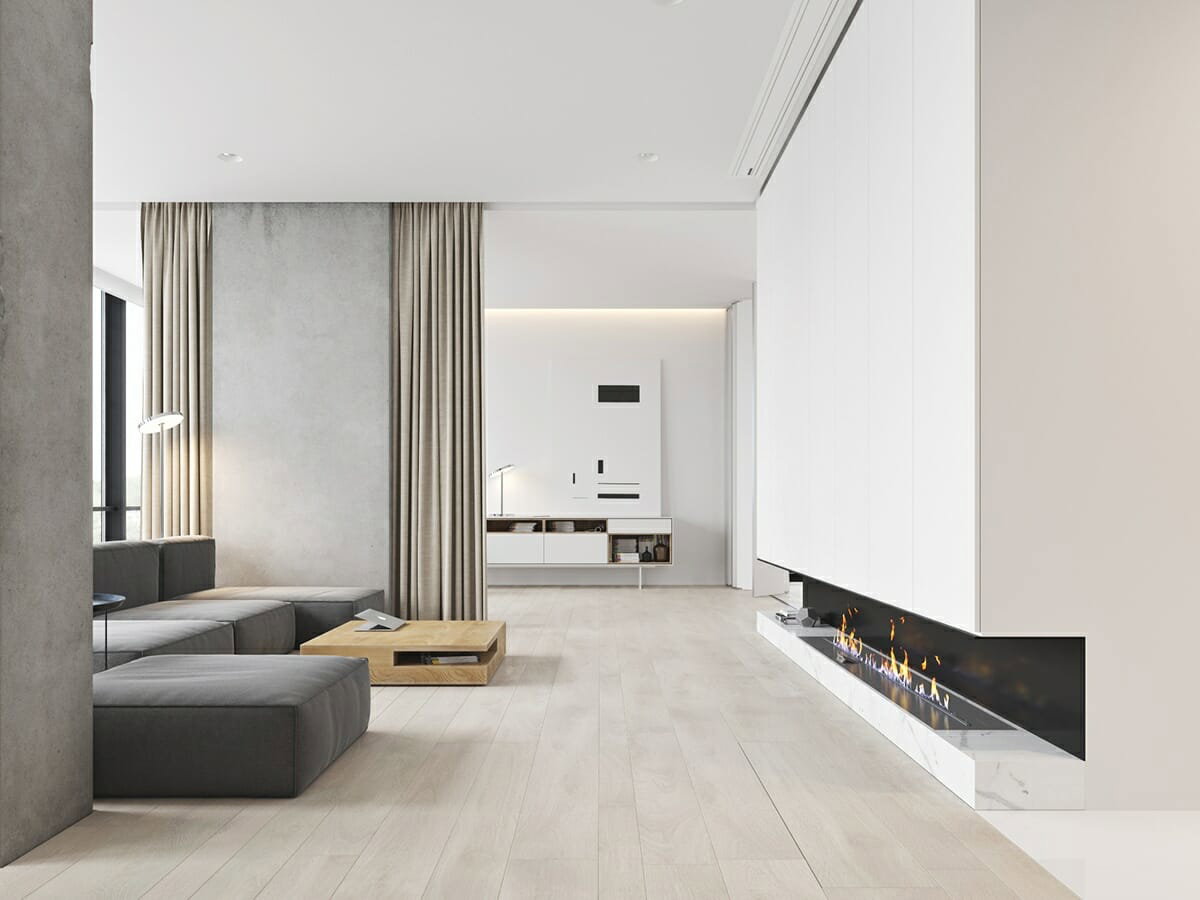
Designing Spaces and Consumption Habits: Environments either accelerate us or invite us to slow down. A home aligned with slow living favors clarity over clutter and function over spectacle. Start by pruning possessions to the useful, the beautiful, or the deeply meaningful, then store by frequency and flow. Natural materials, soft textures, and plants bring biophilic design into daily life, lowering stress and improving focus. In the wardrobe, a capsule approach unites versatility, longevity, and personal style, making choices lighter and getting dressed simpler. In the kitchen, a few quality tools outlast fads, and a visible fruit bowl can steer snacks toward whole foods. Adopt a repair culture: mend, refill, repurpose. When buying, favor durability, craftsmanship, and items with a clear end-of-life plan. These are not aesthetic quirks; they are trends toward mindful consumption that reduce noise and waste while elevating daily experience. A calmer space becomes a silent partner in better habits.
Work, Productivity, and Boundaries: Slow living reshapes work by prioritizing depth over busyness. Protect focus blocks for complex tasks, batch communication, and practice light-touch meeting hygiene—clear agendas, short durations, purposeful outcomes. Embrace asynchronous collaboration where possible to decouple productivity from constant availability. Calibrate the day to energy management, not just time management: align demanding work with peak attention, place routine tasks after breaks, and honor rest cycles. When urgency strikes, use it sparingly; relentless haste blunts quality and morale. Managers can model sustainable productivity by celebrating clarity, craftsmanship, and realistic scopes. Individuals can negotiate boundaries with simple scripts—when you are free, when you are not, and what channels are for what needs. Paradoxically, slowing the cadence reveals hidden inefficiencies, curbs rework, and strengthens trust. Teams move from frantic output to meaningful outcomes, proving that humane speed is often the fastest path to excellence.
Community, Sustainability, and the Road Ahead: Slow living scales from the self to the street. Neighborhood walkability, shared gardens, and tool libraries turn convenience into connection. Local markets nurture resilience, while small businesses keep craft and character alive. Choosing seasonal goods and lower-waste habits links personal calm to planetary care, aligning comfort with sustainability rather than against it. Community rituals—potlucks, park cleanups, reading circles—anchor belonging without high costs or noise. On the personal dashboard, track contentment metrics: sleep quality, unhurried meals, creative hours, and moments of real conversation. Start small, iterate, and favor progress over perfection. The trends story here is less a fleeting fad than a durable shift: a culture reclaiming attention, designing for enough, and measuring success by depth. As more people choose gentler rhythms, networks of care strengthen, waste shrinks, and the promise of less-becoming-more turns from idea into everyday practice.