The Ultimate Guide to Low-Maintenance Houseplants
Turn your home into a stress-free green haven with hardy, forgiving houseplants and simple routines that thrive even if you forget to water.
Why They Matter: Low-maintenance houseplants bring the calming beauty of nature into your living space without adding stress to your to-do list. With the right choices, you get greenery that is forgiving, resilient, and adaptable to typical home conditions. These plants tolerate inconsistent watering, thrive in indirect light, and handle fluctuations that might challenge fussier species. They can help create a more soothing environment, soften hard lines in decor, and even encourage mindful routines like a quick weekly check of soil or leaves. Look for traits such as thick leaves, waxy surfaces, or water-storing rhizomes, which often signal drought tolerance. Pair plants with containers that have drainage holes and use a well-draining potting mix to prevent root rot. Most importantly, set achievable care habits: place plants where you see them daily, group them by similar needs, and keep tools simple—a watering can, soft cloth, and pruning shears are often enough. Low-maintenance doesn't mean no care; it means simple, consistent care that fits real life.
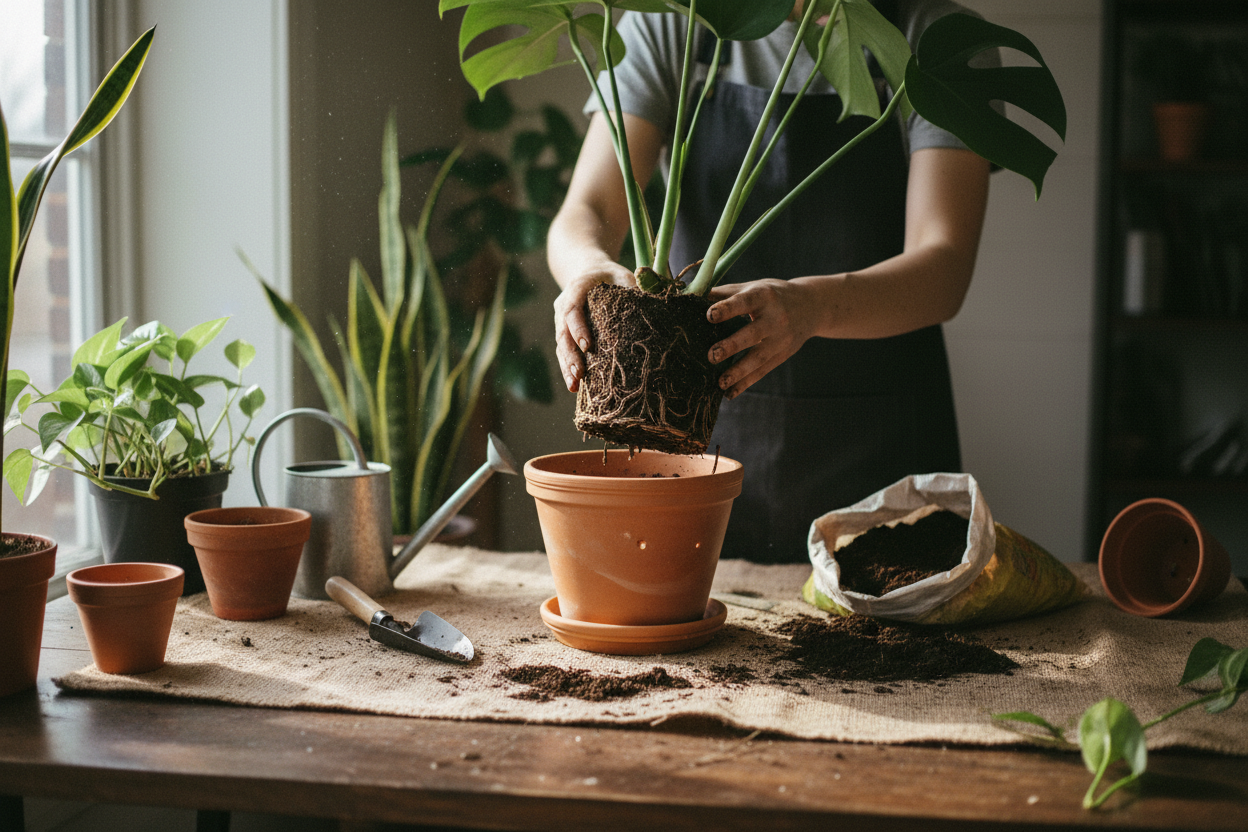
Choose With Confidence: Start by matching a plant's natural preferences to your home. Assess light first: is the spot bright but indirect, moderately lit, or genuinely low-light? Next, consider humidity and temperature consistency—bathrooms can suit moisture lovers, while drier rooms fit succulents. Think about size and growth habit: trailing plants elevate shelves and bookcases, while upright forms anchor corners or desks. If you have pets, research pet-friendly options and place any potentially toxic species out of reach. Aim for plants known for tolerance and broad adaptability, such as those with sturdy foliage or slow-to-moderate growth. Evaluate your routine, too: if you travel or forget waterings, prioritize drought-tolerant picks; if you enjoy weekly check-ins, choose varieties that like steadier moisture. Finally, plan for drainage, select a pot only slightly larger than the root ball, and opt for quality potting mix over garden soil. Your best bet is alignment: the closer the match, the easier the care.
Light Made Simple: Understanding light intensity and duration is the fastest way to success. Most easy-care plants prefer bright, indirect light: bright enough to read by comfortably, but not so intense that rays strike the leaves for hours. In dimmer rooms, low-light specialists cope well, though they may grow more slowly. Try the simple shadow test: a crisp shadow suggests bright light, a soft-edged shadow indicates medium, and a faint or absent shadow signals low light. To tame harsh sun, use sheer curtains, move plants a few feet back, or place them behind other decor that filters glare. Rotate pots quarter turns each week for even growth and to prevent etiolation. Watch for signals: pale, stretched stems mean insufficient light; scorched tips or bleached patches suggest too much. Keep leaves dust-free so they can photosynthesize efficiently, and be patient—plants need time to acclimate to new positions. Matching light needs protects health and keeps maintenance pleasantly minimal.
Watering Without Worry: The golden rule for low-maintenance plants is to avoid overwatering. Instead of sticking to a rigid schedule, use the finger test: if the top inch or two feels dry, it is usually time to water. When you water, do so thoroughly until excess flows from the drainage hole, then empty the saucer to prevent root rot. For moisture-loving varieties, consider bottom watering by letting the pot sit in a shallow tray and soaking up what it needs, then draining well. Notice cues: drooping that perks up after watering can indicate thirst, while yellowing leaves, persistent wetness, or a musty smell often signal overdoing it. Container material matters—terracotta wicks moisture and dries faster, while plastic retains it longer. Use room-temperature water and aim for consistency rather than frequency. Expect slower use of water during low-growth periods and faster during active growth. Over time, you will learn each plant's rhythm, and watering becomes quick, confident, and calm.
Soil and Pots, Simplified: Great results start with the right potting mix and container. Most easy-care plants prefer a well-draining blend with perlite, pumice, or fine bark for aeration. For succulents and cacti, choose a grittier mix that dries quickly; for tropical foliage, use an all-purpose indoor blend that holds some moisture without staying soggy. Always choose pots with drainage holes, sizing up only one or two inches when repotting to prevent waterlogged soil. Material influences care: terracotta breathes and helps prevent overwatering, while glazed ceramic and plastic keep moisture longer. Keep leaves clean with a soft, damp cloth to support photosynthesis and a healthy sheen. Feed lightly with a balanced, diluted fertilizer during active growth, pausing when growth slows. Guard against common pests by inspecting new plants, providing airflow, and removing debris from the soil surface. These simple choices reduce guesswork, make watering more predictable, and keep your maintenance list short and satisfying.
Starter List for Success: Build confidence with proven, easy keepers. The ZZ plant tolerates low light and infrequent watering thanks to water-storing rhizomes. Snake plant thrives on neglect, handling low to bright indirect light and long dry spells. Pothos and heartleaf philodendron trail beautifully, adapt to varied light, and forgive missed waterings. Spider plant is adaptable and produces offsets you can share. Cast iron plant excels in low light and asks for little. For brighter spots, jade plant and aloe offer succulent structure with sparse watering. Peace lily signals thirst by gently drooping and rebounds quickly when watered, favoring medium light. If you prefer pet-friendly options, consider parlor palm, peperomia, or prayer plant, while still checking individual sensitivities. Mix upright forms with trailers for layered texture, and begin with two or three varieties that share similar needs. This thoughtful selection ensures everyday care stays easy, rewarding, and well within a low-maintenance mindset.