Wellness Tech at Home: Devices That Nurture Daily Routines
From circadian lights to smart recovery tools, discover home wellness devices that gently reinforce healthier sleep, movement, and calm.
Gentle Starts, Strong Habits: Wellness tech is reshaping mornings with subtle, supportive cues that make routines feel natural rather than forced. Sunrise lamps and circadian lighting ease you awake with gradual brightness, while smart shades coordinate to nudge your body clock without jarring alarms. Voice routines can layer habit stacking—a short stretch, a hydration reminder, a calming playlist—so the first minutes of the day unfold with minimal decision fatigue. Smart mirrors and bathroom scales offer gentle, privacy-first snapshots of trends rather than fixating on single numbers, encouraging progress over perfection. The broader trend is orchestration: devices that talk to each other, deliver ambient nudges, and reduce friction so healthy choices happen by default. Inclusive options—like tactile buttons, adjustable color temperature, and haptic feedback—make these tools adaptable to different needs. By aligning light, sound, and simple prompts, these systems transform mornings into sustainable rituals, setting a supportive tone that carries momentum into the rest of the day.
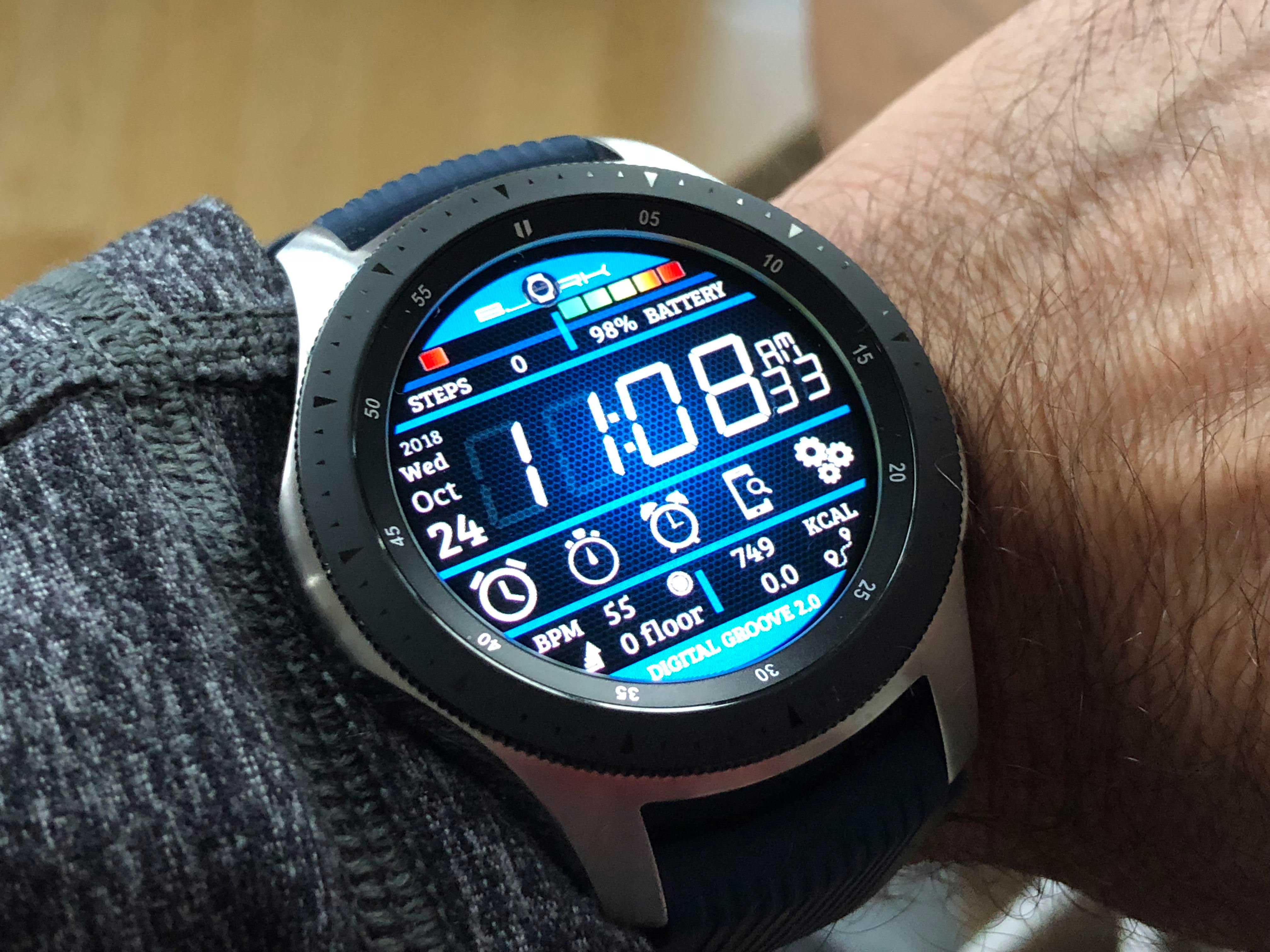
Movement Woven Into Rooms: Daily activity is no longer confined to a workout window; it's embedded into the spaces where you already live and work. Pressure-sensing mats encourage frequent standing breaks, posture tools provide gentle form feedback, and compact devices turn living rooms into adaptable studios for micro-workouts. Televisions and displays can guide low-impact flows, while wearables synchronize heart-rate zones so effort stays safe and effective. The trend leans toward consistency over intensity—short, repeatable sessions that fit between calls or while dinner simmers. Friendly gamification nudges streaks and step goals, but the best systems also respect recovery with reminders to stretch and unwind. Surface-level metrics give way to actionable insights: mobility cues, balance scores, and suggestions for joint-friendly progressions. Recovery tech—from percussive tools to heat and cold therapies—slots into the same ecosystem, rounding out a sustainable routine. The result is movement that blends into rooms and rhythms, building strength not just in muscles but in habits.
Calm On Demand: Personal sanctuaries are emerging through devices that guide breath, focus, and reflection without overwhelming the senses. Breathing pacers use haptic guidance and soft light to slow the inhale–exhale cycle, while biofeedback wearables track signals like HRV to suggest restorative micro-breaks. Sound machines craft adaptive soundscapes that shift for deep work, meditation, or rest, and minimalist displays offer journaling prompts that turn rumination into reflection. Aromatherapy diffusers synchronize with lighting to reinforce mood—calm, clarity, or comfort—creating a multisensory path to unwind. A defining trend is personalization with boundaries: tools that learn preferences yet honor privacy-first principles through local storage and optional data sharing. Timers and gentle reminders prevent overuse, because stillness is most powerful when it respects attention rather than competing for it. These devices don't replace human connection or professional support; they create space for daily decompression, helping you return to tasks and relationships more grounded, focused, and kind.
Sleep As A System: Rest improves when the bedroom becomes an ecosystem that aligns temperature, sound, light, and behavior into sleep hygiene you can actually keep. Thermostats and bedding tools emphasize temperature regulation for smoother transitions into deeper stages, while blackout solutions and glare-aware night lights protect true darkness. Subtle white noise masks disruptions without dominating the room, and gentle wake signals mimic dawn to avoid cortisol-spiking jolts. Trackers increasingly focus on trends—regularity, bedtime drift, and wind-down adherence—rather than chasing perfect scores. A key trend is automation that disappears into the background: a wind-down scene that dims lights, reduces notifications, and cues a brief stretch and breath cycle, followed by sleep-friendly climate and air settings. For couples, zoned preferences balance comfort without compromise. When insights live on-device through edge processing, your data remains yours while guidance stays timely. Treating sleep as a system turns nights into renewal and days into sustained energy.
Nourish, Purify, Sustain: Kitchens and living spaces are embracing tech that supports nutrition and clean air with minimal friction. Smart scales and guided cookware encourage mindful portions and safe temperatures, while countertop gardens make fresh greens part of a daily rhythm. Hydration trackers prompt steady sipping, supporting energy and focus without caffeine spikes. Throughout the home, air quality monitors surface particulate, humidity, and VOC insights, guiding purifiers and humidifiers to adjust automatically. The larger trend blends interoperability and sustainability—devices that talk across platforms, sip power in standby, and emphasize repairable parts and durable materials. Thoughtful defaults prevent alert fatigue, surfacing only signals that change behavior: when to ventilate, what to prep, how to store ingredients to reduce waste. Instead of chasing novelty, look for frictionless routines and clear value: fewer steps to healthy meals, quieter motors, simpler cleaning. With well-chosen tools and gentle automation, nourishment and clean air become the baseline, not the exception.